EN
EN PL
PL ES
ES


Publication date: 22-09-2025 | Update date: 21-09-2025 | Author: Piotr Kurpiewski

-
Online courses
- All
 3ds Max
 AI - Artificial Intelligence
 Blender
 Corona renderer
 GstarCAD
 LayOut
 Photoshop
 Interior Design
 Revit
Revit Sketchup
 Stable Diffusion
 V-ray
V-ray
"Online courses" are comprehensive online training programs that will help you quickly master the software you are interested in.
- Plugins
- 3D Models
- Help
- Articles
Interior design in an old tenement building - what are the biggest challenges?
Interior design in an old tenement building is an exceptional challenge that combines respect for historic architecture with the need to adapt the space to modern standards. High ceilings, decorative moldings, and parquet floors impress, but behind their beauty lie technical issues such as uneven ceilings, outdated installations, and lack of sound insulation. The article shows how to tackle these difficulties step by step, from assessing the technical condition, through planning the functional layout, to designing the kitchen and bathroom. We also suggest how to use modern tools: 3D surveys, visualizations, and CAD software, to better plan the work and avoid mistakes. This is a practical guide for anyone dreaming of a unique tenement apartment and looking to create a space that blends historical character with contemporary comfort.

Index
Interiors in historic townhouses entice with height, light, and detail, but demand exceptional attention. A project in a heritage townhouse is a meeting of history and modernity: we combine stucco and parquet with comfort, ergonomics, and contemporary installations. Below we discuss the main challenges and offer tips on how to design an apartment in a townhouse so that it is beautiful, functional, and durable.
Heritage townhouse and the law - permits, formalities, supervision
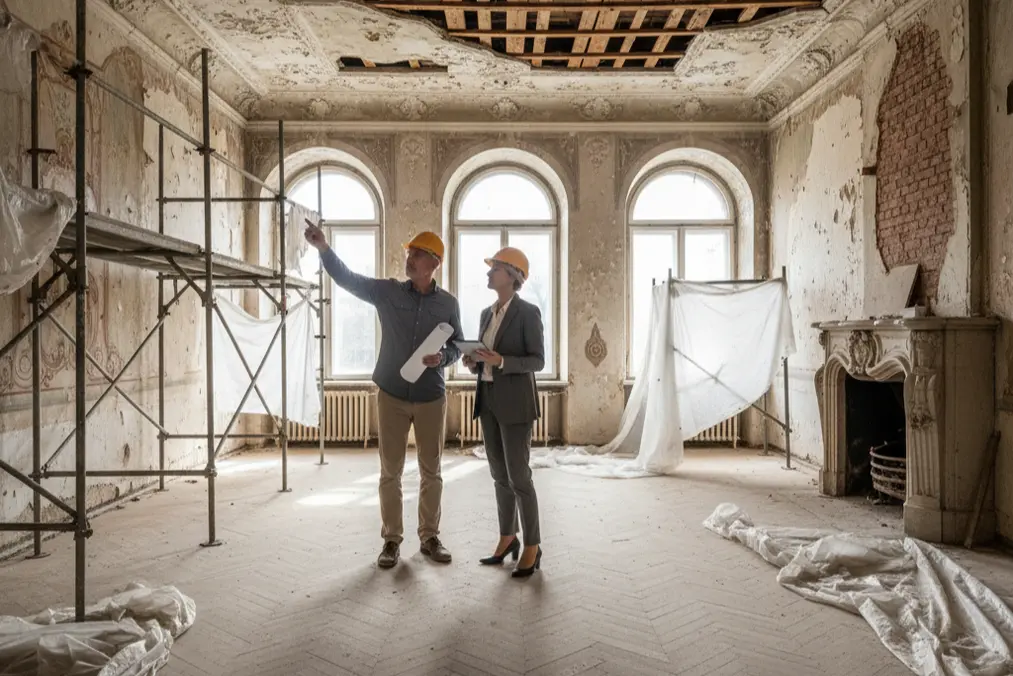
We start with formalities, because they determine what we can change. Many townhouses are listed as historic monuments or are located in conservation zones. This means that not every wall can be demolished, and replacing windows or doors may require approvals. In practice, this works like this: we prepare a thorough inventory, a plan of changes and – if necessary – conduct negotiations with the administration, the housing community, and the conservator. This way we avoid costly delays and corrections.
Important tip: an early consultation with a structural engineer allows you to assess the possibilities for interventions in the ceilings and load-bearing walls. It saves time and money in later stages.
Inventory and functional layout of an apartment in a townhouse
Old apartments usually have unconventional plans: enfilade rooms, narrow corridors, inconvenient locations of kitchens and bathrooms. Before drawing the first line, we conduct a precise inventory: dimensions, levels, wall thicknesses, vertical ducts, ventilation, and the locations of stoves, chimneys, and windows. Only on this basis do we develop functional scenarios: whether to open the kitchen to the living room, how to shorten circulation paths, where best to place a walk-in closet, and whether it is possible to add an extra bathroom without conflicting with the risers.
Ceiling height is an asset but also a challenge. We make use of it by designing floor-to-ceiling joinery, mezzanines in selected rooms, and larger-scale lighting systems. At the same time, we remember to plan suspended ceilings and heavy installations with respect for the historic structure and details.
Systems in an old townhouse: electrical, plumbing, and gas
In most townhouses, systems need replacement. New electrical wiring is not only about safety but also allows for designing logical lighting circuits and a sufficient number of outlets. We plan the water and sewage system considering slopes, risers, and acoustics – walls that conceal pipes should be sound-insulated in advance. If the apartment has gas, we assess the condition of the installation and modernization options or consider removal, taking regulations, ventilation, and budget into account.
When changing room functions (e.g., moving the kitchen), the location of the risers is most important. The closer the kitchen or bathroom is to a riser, the lower the risk of failures, noise, and space lost to concealment joinery.
Wooden ceilings and floors: levels, acoustics, load-bearing capacity
Ceilings in townhouses can be wooden and are not always perfectly level. Before planning a screed or underfloor heating, we check load-bearing capacity and deflections. Layers that are too heavy can damage the structure. Often a better solution is a dry screed and systems that improve acoustics, instead of traditional heavy screeds. Creaking parquet? We renovate the subfloor, replace the joists, and clean and oil or lacquer the original herringbone parquet to restore its shine.
Heating and ventilation in high rooms
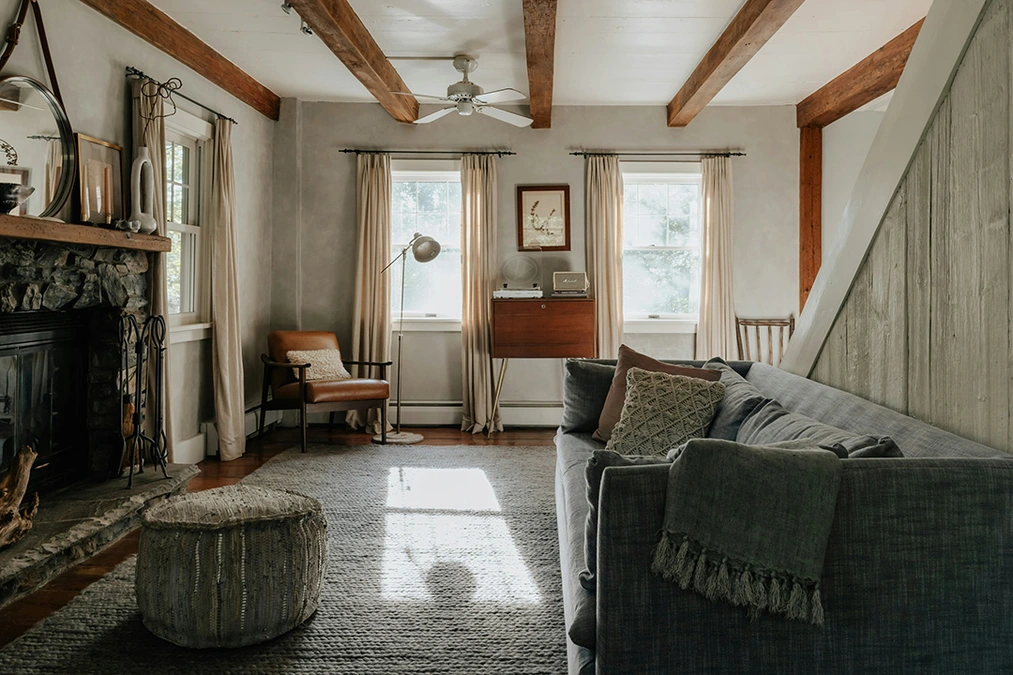
High ceilings give a sense of space but increase heating costs. We often modernize the system: replace radiators, add thermostatic heads, and use zoned controls. Underfloor heating is worth planning primarily in the bathroom and kitchen – where we have tighter floor layers and it is easier to achieve comfort.
Gravity ventilation is often insufficient. A good standard is invisible heat recovery ventilation with flat ducts run in ceiling soffits or shafts – so as not to damage original details. When designing air conditioning, we consider the placement of outdoor units in a way that does not affect the façade or conflict with conservation requirements.
Moisture, mold, and thermal bridges - diagnostics and prevention
In old walls, issues can include capillary rise, leaky plaster, and thermal bridges. Before specifying finishes, we carry out renovation works: drying, restoration plasters, and vapor-permeable paints. In the bathroom and kitchen, we use effective tile-underlay waterproofing, and in corners – details that protect against condensation.
Box windows, doors, and stucco: restoration or replacement?
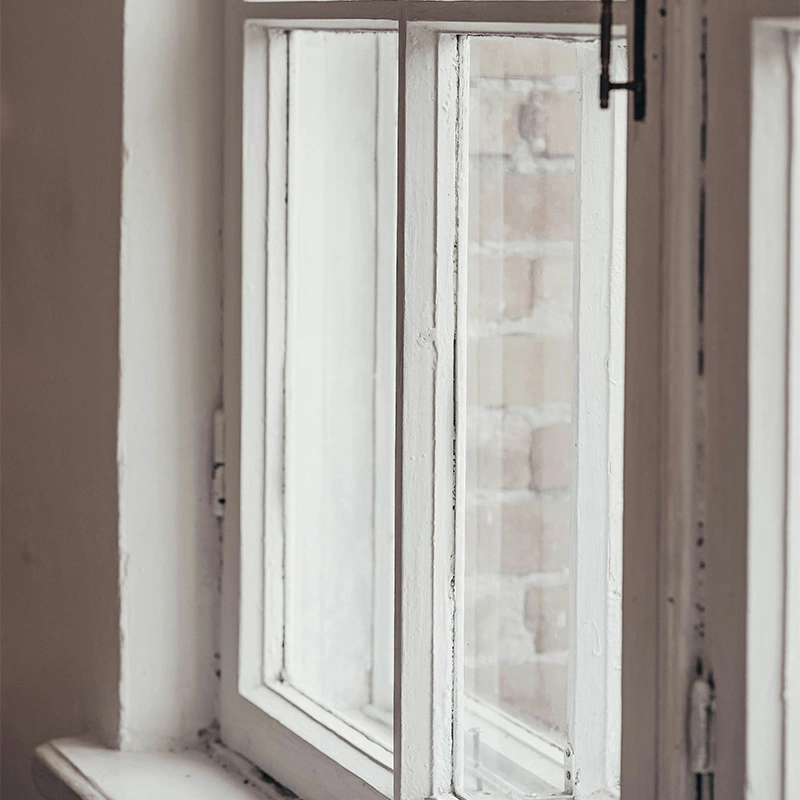
Original joinery and stucco create an atmosphere you cannot buy. Our role is to assess their condition and decide: restoration or replacement. If restoring, we choose glazing, seals, and fittings. When replacing windows, we pay attention to divisions, colors, and details consistent with the period. Stucco can be reproduced in gypsum or with lightweight solutions, but with care for proportions to preserve its original character.
Kitchen and bathroom in a townhouse: design without compromise
The kitchen and bathroom are the rooms where the difference between a well-designed project and improvisation is most evident. High ceilings favor ceiling-height cabinetry, but we must wisely arrange appliances, risers, and ventilation. In the bathroom, we plan wet zones, waterproofing, slopes, space for a washing machine, and clever casing above the toilet tank. It’s worth considering curbless showers and concealed faucets – for ergonomics and visual order.
Materials and color palette: Classic + Modern
A townhouse favors noble surfaces: wood, stone, terrazzo, classic-format tiles, and richly textured fabrics. Modern classic and eclecticism work great: a contemporary base, a few strong vintage accents, brass details, and fluted glass. If you like a warm atmosphere, consider wainscoting, subtle wall profiles, and colors inspired by historic palettes.
Layered lighting in an apartment in a townhouse
With high ceilings, we work in layers: general lighting (a chandelier or ceiling fixture of appropriate scale), task lighting (tracks, sconces, table lamps), and accent lighting (strips, mini fixtures for stucco details). This way, we achieve atmosphere and comfort without harsh overlighting.
Storage and custom joinery
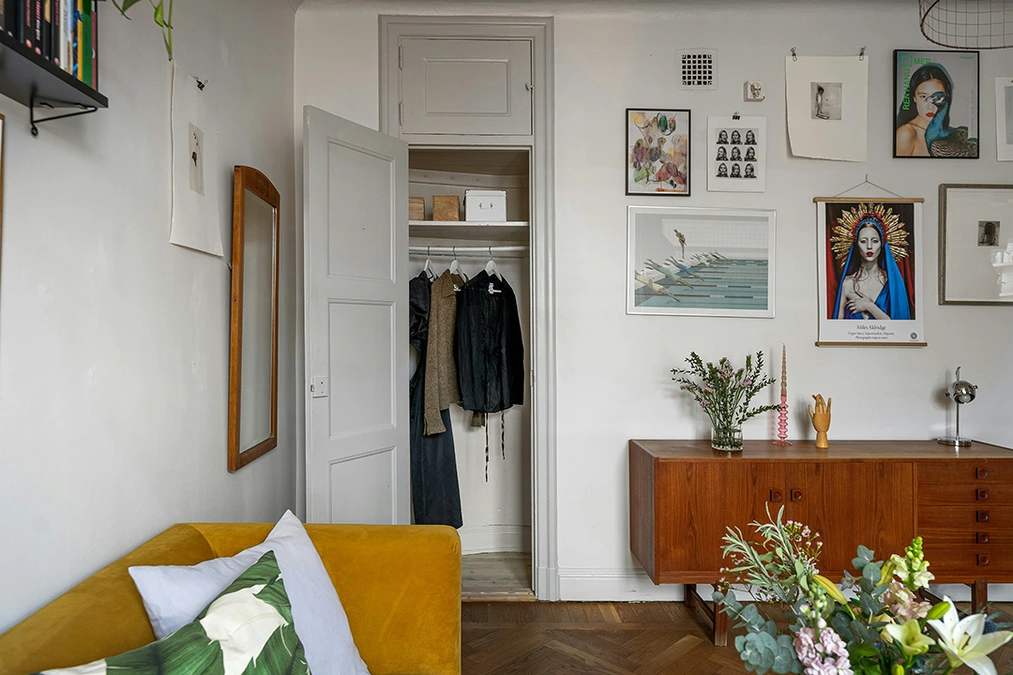
A townhouse rewards good order. We design ceiling-height cabinetry with service modules (meters, distribution boards, water filters), hidden storage spaces, and closets that organize circulation paths. High baseboards, paneled doors, and repeating vertical divisions tidy up the interior and emphasize its rhythm.
Budget, cost estimate, and schedule: where the surprises lie
A renovation in an old townhouse can be more expensive than in new construction. The most common items that increase during the works: wall and floor leveling, replacement of systems, structural corrections, and restoration of joinery and stucco. We divide the financial plan into: preparatory works (inventory, design, approvals), construction works, installations, finishing, and a reserve for uncoveries. The schedule must allow for drying times, deliveries of specialized materials, and possible conservation procedures.
3D Visualizations, BIM, and AI - faster, more reliable, error-free
Modern tools allow us to avoid costly mistakes. 3D inventory and scanning (e.g., LiDAR) speed up work and provide a precise existing model, which is invaluable for curved walls and asymmetrical niches.
If you want to learn about all the applications of artificial intelligence in the interior design industry, be sure to check out our AI Course - Artificial Intelligence in Interior Design.
Style, Atmosphere, and Identity of a Space – How to Combine Old with New
The best projects in tenement buildings don’t pretend to be museums. We respect the original, but we’re not afraid of contemporary solutions: minimalist kitchens with milled fronts, modern lighting fixtures next to a historic chandelier, structural glass by a herringbone parquet floor. A cohesive material palette and a consistent rhythm of divisions are key. Instead of copying an era, we interpret it – a guarantee of freshness and timelessness.
Ergonomics and Everyday Living – a Home That Works
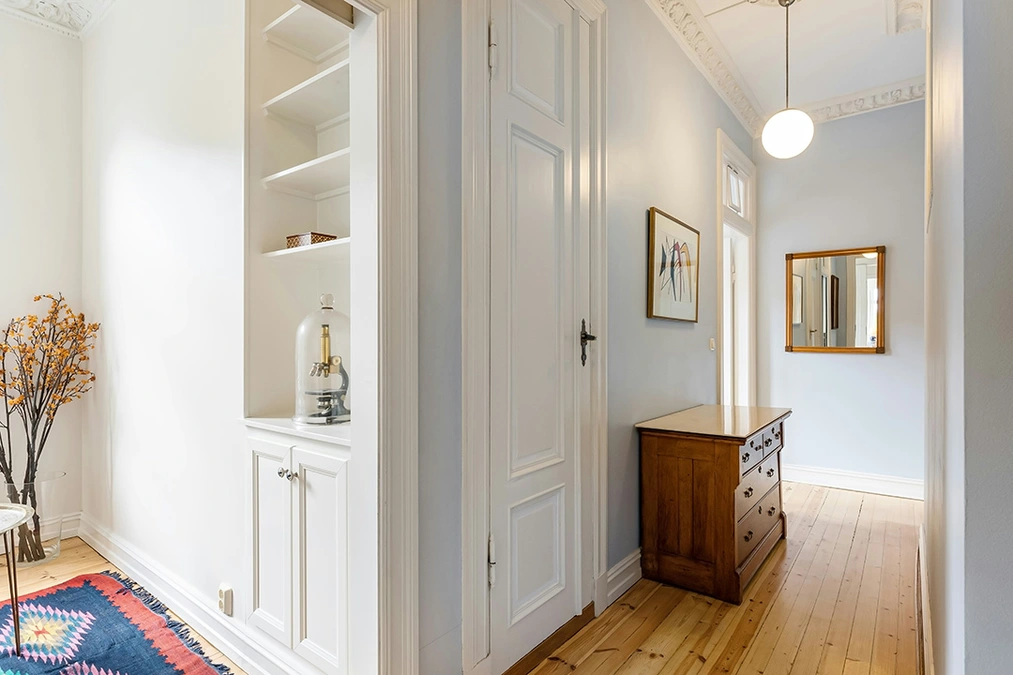
Ultimately, comfort is what counts: reach ranges, countertop heights, passage widths, amount of light. Tall rooms can easily be overheated by lighting or overloaded with improperly proportioned furniture. Be mindful of scale and dimensions: the sofa needs breathing room, the table requires sufficient distance from the walls, and the desk should have access to daylight.
Common Mistakes When Renovating an Apartment in a Tenement House
Renovating an apartment in a tenement house is a process full of surprises, which makes it very easy to make mistakes that later cost us time and money. One of them is rushing, e.g., starting work without a prior assessment of the building’s technical condition. A lack of moisture studies, load-bearing capacity tests for ceilings, or checks on installation quality results in discovering serious issues only during the renovation. Equally risky is using overly heavy screeds on wooden ceilings or sealing walls with materials that block moisture diffusion. Such solutions lead to cracks, dampness, and accelerated structural degradation.
Another common mistake is ignoring acoustic considerations and taking a haphazard approach to lighting. A lack of proper insulation in walls and ceilings makes the apartment noisy and uncomfortable for daily use. On the other hand, poorly planned lighting, without division into scenes and layers, robs the interior of atmosphere and functionality. There’s also often no budget contingency for exploratory work, and unexpected issues in a tenement are more the rule than the exception. That’s why a detailed plan, consultations with specialists, and testing solutions on small sections before committing to the full project are key to success.
Pre-Project Checklist for a Tenement Apartment
Before we begin the actual work, it’s worth preparing comprehensively. A well-developed tenement apartment renovation checklist allows us to avoid many mistakes and ensures that no important element is overlooked. It’s a guide that step by step takes us through the entire interior design process in a tenement building: from assessing the technical condition, through formal issues, to arrangement details.
- Measured Survey including levels, risers, diameters, and detail photos.
- Structural Assessment for ceilings and walls if changes are planned.
- Installation Mapping and clash detection – especially plumbing and ventilation.
- Functional Scenarios – at least two layout variants.
- Acoustic Strategy – ceilings, walls, pipes.
- Lighting Plan – general, functional, accent.
- Budget with Contingency and a schedule that includes approvals.
- Detail Renovation Plan – joinery, decorative moldings, parquet.
- 3D Visualizations and material samples before ordering.
Summary
Interior design in an old tenement building is a demanding marathon, but the result can reward every effort. If we combine respect for history with technical accuracy and modern tools, we create a timeless interior – functional, comfortable, and full of character.
Let’s harness the potential of height, work mindfully with acoustics and humidity, plan layered lighting, and not give up on renovating what’s most valuable. And when we want to speed up and systematize the process, let’s turn to 3D visualization courses, CAD tools, and AI solutions – the fastest route to a reliable, polished result.
Author

Przeczytaj o programie Interior Design na naszym blogu
-
![What to consider when designing a living room with a kitchenette?]()
What to consider when designing a living room with a kitchenette?
Check out our article and learn what to keep in mind when designing a kitchenette! -
![Functionality and Aesthetics in Interior Design - How to Combine Them?]()
Functionality and Aesthetics in Interior Design - How to Combine Them?
Discover the secret of combining beauty with practicality! Find out how to create interiors that delight and serve for years. Discover professional methods! -
![Interior Design Trends 2025 - A Guide for Architects and Designers?]()
Interior Design Trends 2025 - A Guide for Architects and Designers?
Discover the Latest Interior Trends in 2025!