EN
EN PL
PL ES
ES


Publication date: 27-08-2025 | Update date: 27-08-2025 | Author: Mateusz Ciećwierz

-
Online courses
- All
 3ds Max
 AI - Artificial Intelligence
 Blender
 Corona renderer
 GstarCAD
 LayOut
 Photoshop
 Interior Design
 Revit
Revit Sketchup
 Stable Diffusion
 V-ray
V-ray
"Online courses" are comprehensive online training programs that will help you quickly master the software you are interested in.
- Plugins
- 3D Models
- Help
- Articles
Interior Design Trends 2025 - A Guide for Architects and Designers?
The year 2025 brings revolutionary changes to interior design. We explore the directions that will shape our residential and commercial spaces. The following trends combine aesthetics with functionality, taking into account the needs of contemporary lifestyles and environmental awareness.
Index
Natural materials and organic forms - back to basics
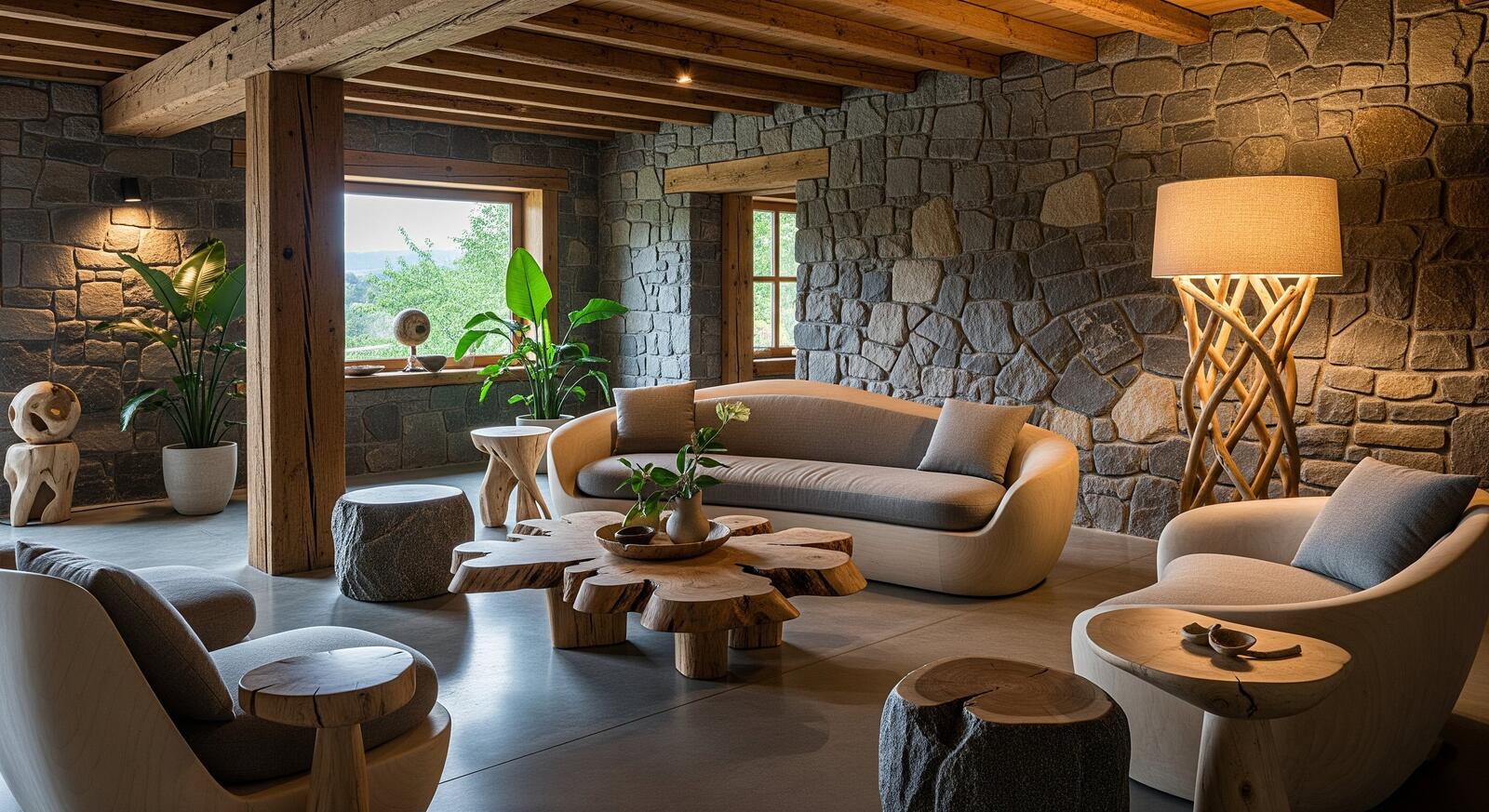
Designers increasingly opt for natural materials that bring warmth and harmony to interiors. Raw-grained wood, river stone, and wicker dominate in 2025. Organic shapes of furniture refer to forms found in nature - round tables, wavy shelves, and leaf-like lamps.
Particularly popular are irregular forms in upholstered furniture. Armchairs shaped like natural stones or sofas with asymmetrical backs introduce dynamism to spaces. This trend responds to the need to escape the rigid, geometric forms that dominated in previous years.
The use of these materials goes beyond aesthetics - natural textures positively affect our well-being and comfort in a space. They also tie in with growing ecological awareness and the need to create sustainable interiors.
CHECK OUT INTERIOR DESIGN COURSES
Technology as an invisible helper
Smart home is no longer a futuristic vision - it becomes the standard. Intelligent systems in 2025 feature seamless integration with interior decor. Control panels are hidden beneath glass table surfaces, and motion sensors are linked to lighting systems so they are virtually invisible.
Lighting automation adjusts to the time of day and residents’ activities. Intelligent systems analyze our habits and automatically regulate the light’s color temperature - from energizing white in the morning to warm, relaxing tones in the evening. Voice assistants disappear from view, integrating with furniture or architectural elements.
The most important feature of technology in 2025 is its invisibility. Designers strive to hide wires, devices, and interfaces while maintaining full functionality. Wireless chargers built into countertops, hidden audio systems, and automatic air-humidifying systems operate in the background without disrupting the space’s aesthetics.
Earth tones and shades of nature
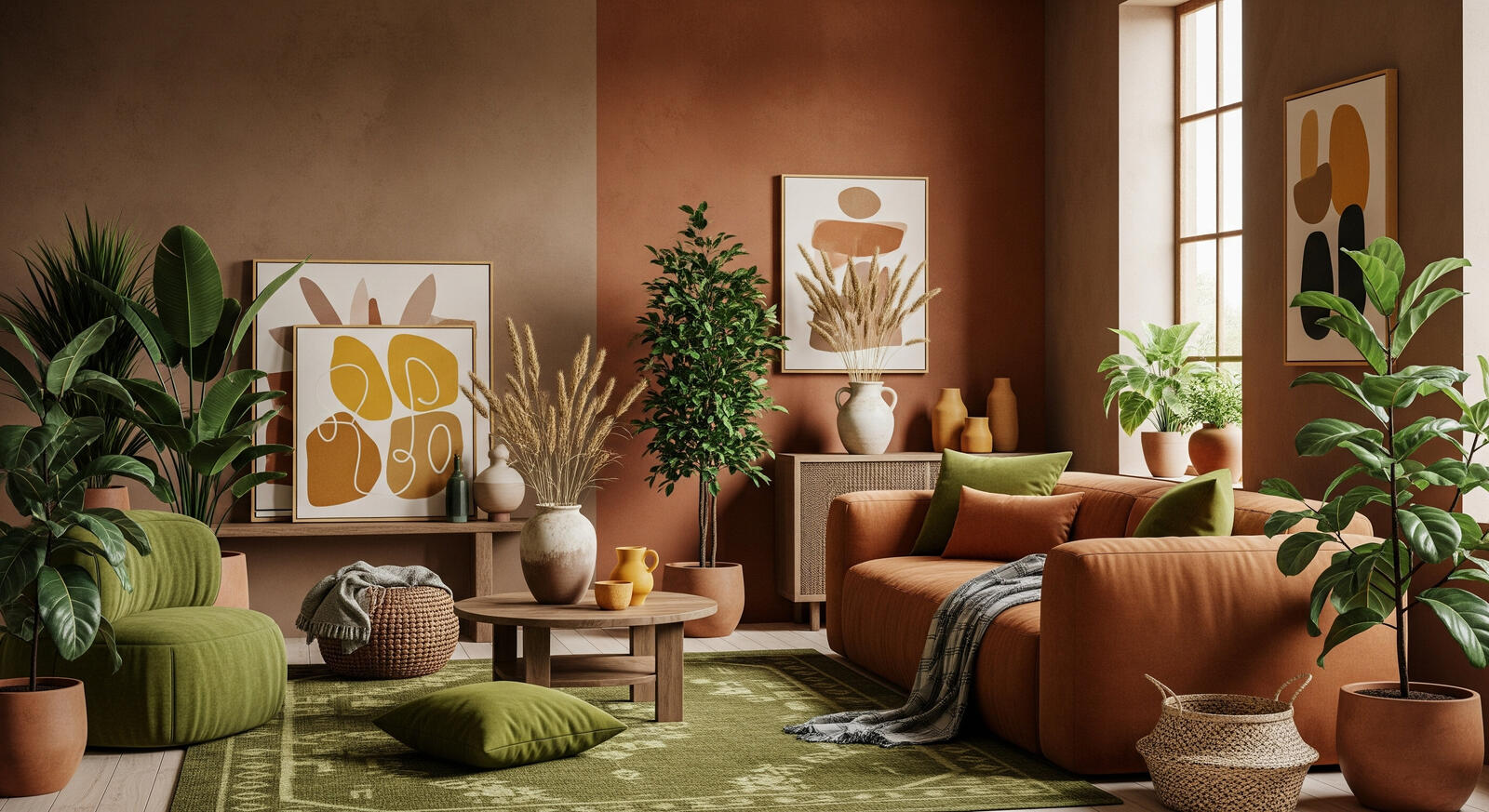
The 2025 color palette draws its inspiration directly from nature. Warm browns - from light caramel to deep walnut - form the foundation for most interiors. Clay and terracotta hues become popular, adding coziness and a grounding effect to spaces.
Green in various shades - from soft sage to deep pine green - appears not only in plants but also in textiles and accessories. Particularly valued are ochre tones and warm yellows, which enliven spaces without overwhelming them.
White walls give way to warm, natural off-white shades with subtle hints of beige or creamy tones. These colors create a calm backdrop for layering more intense yet natural accent colors.
Multifunctionality and adaptability of space
Design in 2025 focuses on maximizing functionality of every square meter. Apartments are shrinking, so each room must serve multiple purposes simultaneously. Transformable furniture becomes standard - extendable tables that convert into desks, beds folding into closets, and modular storage systems.
Sliding walls and modular systems allow rapid changes to a home’s functional layout. A living room can transform into a workspace in minutes, then into a dining area for guests. Movable kitchen islands serve as cooking surfaces, breakfast bars, or extra storage.
Particularly popular are furniture with hidden storage. Ottomans with built-in compartments, beds with drawers, and coffee tables with space for books and accessories help maintain order in limited spaces.
Biophilia as the foundation of design
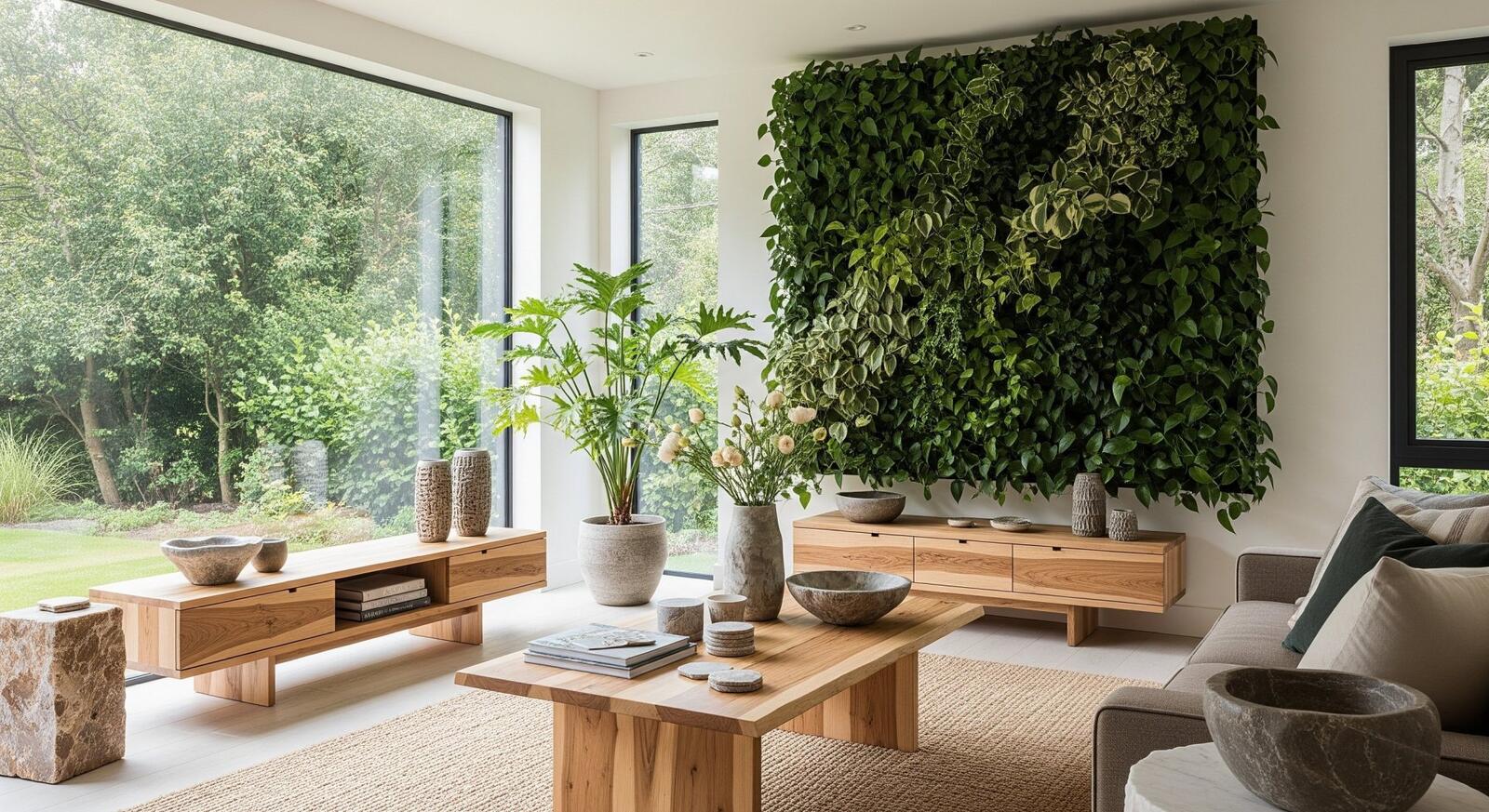
Biophilic design in 2025 goes far beyond placing a few pots on a windowsill. We create true indoor gardens, integrating plants with interior architecture. Green walls, moss-covered ceilings, and water installations become integral parts of projects.
Natural light is treated as the most important design element. Designers maximize sunlight access through larger windows, skylights, or strategically placed mirrors. Where this is not possible, we use lighting that mimics the natural light cycle. More details on lighting planning can be found in our article - Lighting in interior design - what to consider.
Organic materials dominate finishes - raw wood with visible grain, unpolished stone, or clay tiles introduce authentic tactile sensations. Preserving the natural imperfections of these materials is essential, as they add character and warmth to spaces.
Functional minimalism with character
Minimalism in 2025 differs from the sterile interiors of the early decade. Functional minimalism focuses on removing unnecessary elements while preserving the space’s personality. Every item has its designated place and function, yet we retain pieces that give character to interiors.
We combine clean lines with warm materials and thoughtful color schemes. Instead of cold white surfaces, we opt for warm wood tones, soft fabrics, or matte finishes. Hidden storage maintains order without sacrificing functionality.
The key is applying the principle 'less is more', focusing on quality rather than quantity. Single, high-quality furniture pieces or works of art become focal points, replacing numerous decorative accessories.
CHECK THE COURSE - MATERIALS IN INTERIOR DESIGN
Personalization and storytelling in space
The 2025 trends emphasize the importance of individual character in every interior. We avoid cookie-cutter solutions in favor of spaces that tell the story of their inhabitants. Handmade elements - ceramics, textiles, or custom furniture - bring unique character.
Vintage and antiques are combined with modern elements to create eclectic yet harmonious compositions. Particularly cherished are items with history - old books, vintage photographs, or family heirlooms. Every piece has its own story to tell.
Local craftsmanship gains prominence - we choose products by local artists, which not only add character but also support the local economy and reduce the carbon footprint associated with transportation.
Sustainable design as the standard
Ecological awareness ceases to be a trend - in 2025 it is a design standard. We focus on selecting low-carbon-footprint materials, recycling existing furnishings, and designing for long-term use.
Upcycling becomes an art - old furniture gains new life through creative modifications. Designers specialize in thoughtful renovations that honor the past while meeting contemporary needs. Local materials take precedence over imported ones.
Renewable energy and energy efficiency guide the choice of lighting, heating appliances, and ventilation systems. Designers integrate these elements into interiors, creating spaces that are beautiful and ecologically responsible.
Spaces for health and well-being
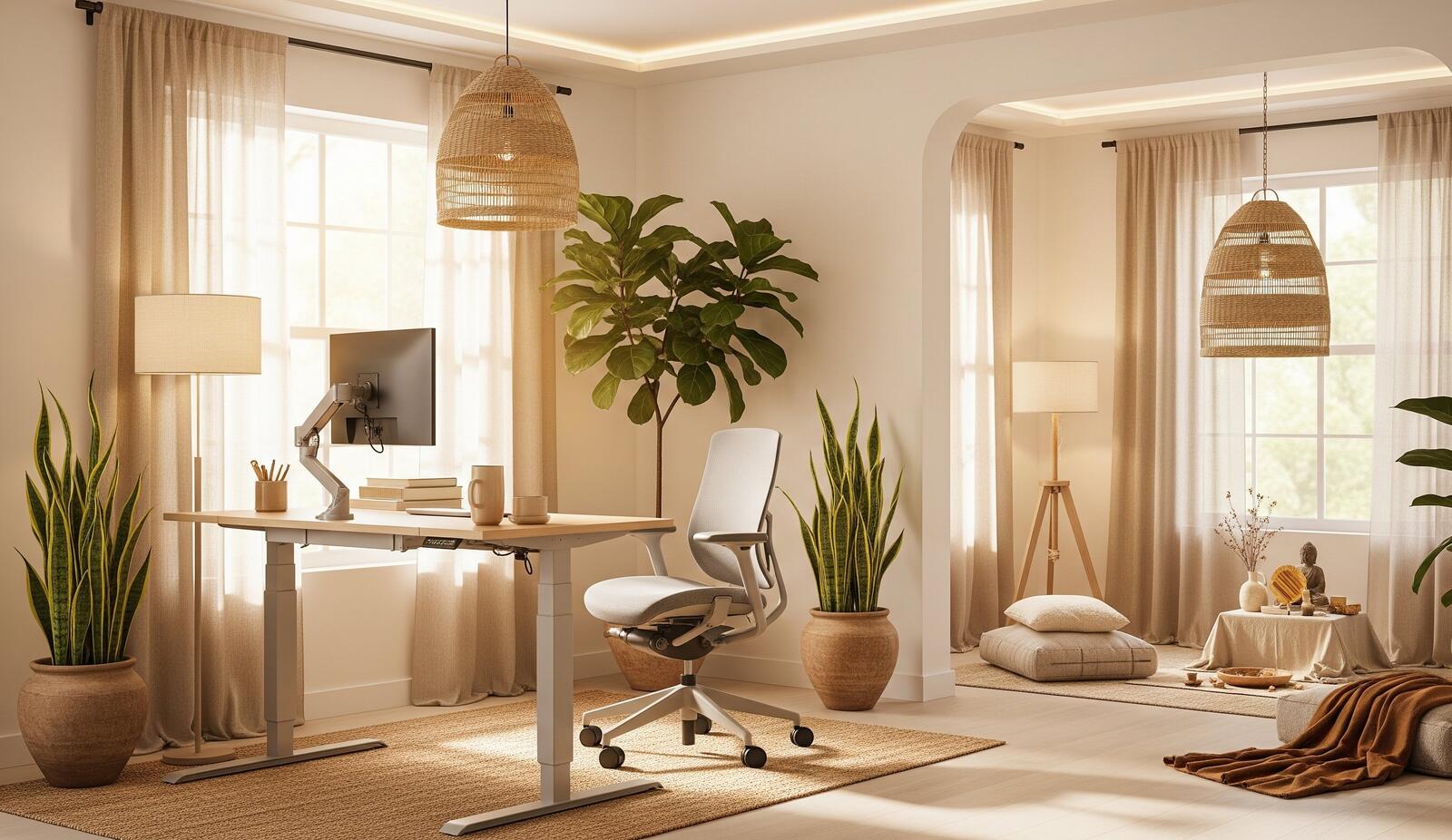
In 2025, wellness-oriented design treats interiors as tools supporting residents’ physical and mental health. Ergonomics becomes the foundation of every project - from kitchen counter heights to the angles of work furniture.
Air quality shapes design decisions - we incorporate air-purifying plants, use materials free of harmful chemicals, and design natural ventilation systems. We have already shared insights on how to use plants in interior design, and these principles perfectly align with current trends. Relaxation zones with comfortable seating, soft lighting, and natural sounds become integral parts of homes.
Meditation spaces or home spas are no longer a luxury - designers create minimalist pockets of calm even in small apartments. We utilize natural scents, textures conducive to relaxation, and lighting that supports the body’s circadian rhythms.
Summary
The 2025 interior design trends blend aesthetics with functionality, respect for nature with modern technology. We create spaces that not only look beautiful but also support our health, productivity, and well-being. As designers, we have the opportunity to shape environments that will serve people for years, so it’s worth investing in timeless solutions that respond to contemporary needs.
Author

Przeczytaj o programie Interior Design na naszym blogu
-
![Interior design in an old tenement building - what are the biggest challenges?]()
Interior design in an old tenement building - what are the biggest challenges?
Interior design in a tenement building is a challenge and an opportunity for a unique apartment. Find out what to pay attention to before renovation! -
![What to consider when designing a living room with a kitchenette?]()
What to consider when designing a living room with a kitchenette?
Check out our article and learn what to keep in mind when designing a kitchenette! -
![Functionality and Aesthetics in Interior Design - How to Combine Them?]()
Functionality and Aesthetics in Interior Design - How to Combine Them?
Discover the secret of combining beauty with practicality! Find out how to create interiors that delight and serve for years. Discover professional methods! -
![Profile Builder 4 or Magic Molding? Comparison of Ornamentation Plugins in SketchUp]()
Profile Builder 4 or Magic Molding? Comparison of Ornamentation Plugins in SketchUp
How does Profile Builder 4 differ from Magic Molding? Scope, pricing, profile libraries, and learning curve. Find out which plugin fits your projects.