EN
EN PL
PL ES
ES


Publication date: 07-02-2025 | Update date: 22-05-2025 | Author: Mateusz Ciećwierz

-
Online courses
- All
 3ds Max
 AI - Artificial Intelligence
 Blender
 Corona renderer
 GstarCAD
 LayOut
 Photoshop
 Interior Design
 Revit
Revit Sketchup
 Stable Diffusion
 V-ray
V-ray
"Online courses" are comprehensive online training programs that will help you quickly master the software you are interested in.
- Plugins
- 3D Models
- Help
- Articles
How to Start Interior Designing? We'll Guide You
Embarking on a career in interior design is an exciting journey that requires a blend of creativity, technical knowledge, and continuous development. To begin, it's crucial to delve into interior design theory, understand basic principles of composition, color schemes, and interior styles. Familiarity with design software such as AutoCAD, SketchUp, or Archicad, which are industry standard tools, is also essential. Developing practical skills through working on your own projects or assisting experienced interior designers can be valuable experience. Building a portfolio to showcase your skills and style to potential clients is also important.
Index
Every great designer started from scratch. Your passion, determination, and willingness to learn and grow are the key to success in this dynamic and ever-changing field.
Gain the necessary education and skills
To become a professional interior designer, it is essential to acquire the appropriate education and skills. There are two main paths you can choose: interior design studies or courses and training in interior design. Regardless of the chosen path, it is important to master the key skills required in this profession.
Interior Design Studies
The best way to gain thorough knowledge and skills in the field of interior design is to study at art schools or technical universities. During your studies, you will acquire knowledge in architecture, ergonomics, interior styling, material selection, and lighting. You will also learn freehand drawing and how to use design programs such as AutoCAD, SketchUp, or 3ds Max. Interior design studies usually last from 3 to 5 years and result in a bachelor's or master's degree.
Interior Design Courses and Training
If you are unable to pursue full-time studies, an alternative is to take interior design courses. These typically last from a few weeks to several months and cover 120 to 140 hours of classes. During the courses, you will gain basic knowledge and skills in interior design, including familiarity with design programs, ergonomic principles, and material selection. Courses are a good choice for those who want to change their career or expand their skills.
Key Skills of an Interior Designer
Regardless of your chosen educational path, there are several key skills that every interior designer should possess.
- Creativity and aesthetic sense - the ability to create original and visually appealing designs.
- Knowledge of trends and styles - understanding current trends in interior design and the ability to adapt them to the client's needs.
- Listening and communication skills - the ability to understand the client's needs and expectations and effectively convey your ideas.
- Technical knowledge - understanding furniture construction, electrical installations, ventilation, building materials, etc.
- Proficiency in design programs - proficient use of programs such as AutoCAD, SketchUp, 3ds Max, or Adobe Photoshop may often be essential, and at best very useful.
Developing these skills through interior design studies, courses, and practical experience will enable you to become a professional and respected interior designer.
Practice - Build Your Portfolio
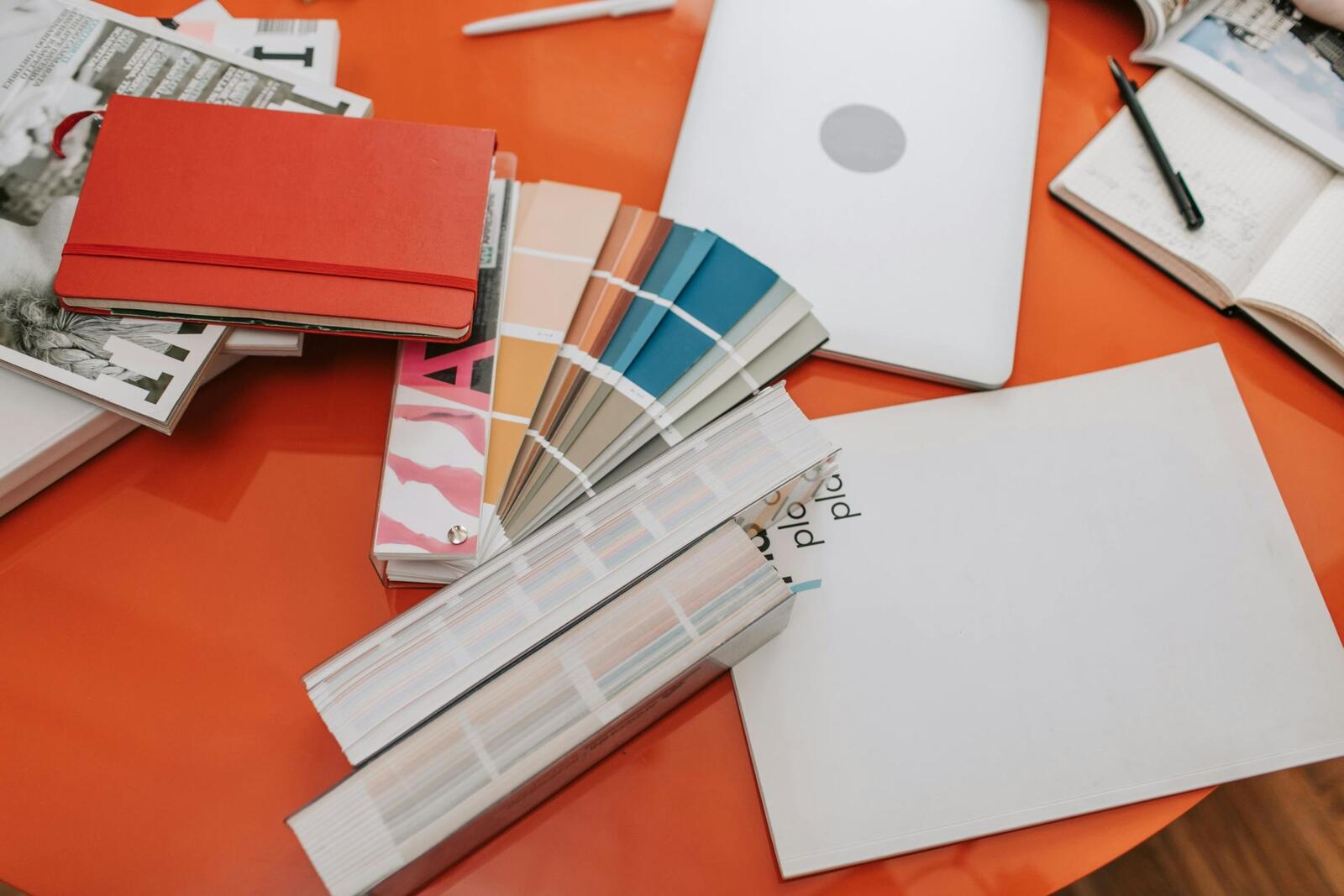
One of the key elements in the career of an interior designer is having an impressive portfolio that showcases your skills and style. Creating interior design projects for learning purposes and participating in contests and programs for young architects are excellent ways to develop your interior designer portfolio.
Creating projects for learning purposes
During your interior design studies or courses, you will have many opportunities to create projects that can become part of your portfolio. Approach each task as a real assignment and give it your all. Experiment with different styles and solutions to showcase your talent and creativity. Remember to document your interior design projects with high-quality photos and descriptions.
Participating in contests and programs for young designers
Interior design contests and programs for young interior designers are a great opportunity to test your skills and gain recognition in the industry. Many furniture companies, finishing materials manufacturers, or interior magazines organize such initiatives. Winning or being recognized in a contest can open many doors for you and attract potential clients. Even if you don't win, participating in a contest is valuable experience and an opportunity to enhance your portfolio.
Remember to regularly update your interior designer portfolio and present it in an attractive way. You can create your own website or a profile on an industry portal where you can showcase your best interior design projects. Make sure that your portfolio is easily accessible and attracts the attention of potential clients and employers.

Gain Experience in the Industry
After acquiring the necessary knowledge and skills, the next step in the career of an interior designer is gaining valuable experience. There are several ways to achieve this, even if you are just starting your adventure in design.
Internships and Traineeships in Design Offices
One of the best ways to gain practical experience is through internships for interior designers and traineeships in design offices. They not only allow you to familiarize yourself with the daily work in the profession but also enable you to establish valuable industry contacts. Many renowned design offices are eager to accept interns, offering them the opportunity to participate in real projects.
Volunteering on Interior Design Projects
Another option is volunteering in interior design. Many non-profit organizations and smaller design studios seek support for their projects. By offering your help, you can gain valuable experience and enrich your portfolio. Volunteering is also an excellent opportunity to build relationships with more experienced designers who will be happy to share their knowledge.
First Design Projects
Don't be afraid to take on first design projects, even if they are small projects for family or friends. Every experience is worth its weight in gold, and satisfied clients will gladly recommend you to others. Remember to discuss the scope of the project and the client's expectations in detail, as well as to agree on reasonable compensation for your work. Over time, as your skills and reputation grow, you will be able to pursue increasingly ambitious and lucrative projects.
Interior Design - How to Start Your Own Business?
Having the necessary education, skills, and experience in interior design, you can consider starting your own design business. It is an exciting step in your career, but it requires careful planning and preparation to succeed.
Creating a business plan and marketing strategy
The first step in establishing a design studio is to develop a solid business plan. It should include aspects such as:
Equally important is creating an effective marketing strategy that will help you reach potential clients and promote your brand.
Creating a business plan and marketing strategy
The first step in establishing a design studio is to develop a solid business plan. It should include aspects such as:
- Costs of renting an office or studio
- Required equipment and software
- Budget for marketing design services
- Projected revenue and profits
Equally important is creating an effective marketing strategy that will help you reach potential clients and promote your brand.

Networking - Building Industry Contacts
In the interior design industry, contacts are crucial. It's worth starting to build a network of contacts during your studies, internships, and initial projects. Maintain good relationships with other designers, architects, contractors, and material suppliers. Participating in industry fairs and events is an excellent opportunity to establish new contacts and present your offerings.
Acquiring Clients and Building a Brand
To attract clients to your design studio, you must actively promote your services. Here are a few proven ways to attract clients:
Remember to also build your brand as an interior designer. Ensure a consistent image, logo, and color scheme that are recognizable and associated with your unique style. Be active in industry media, give interviews, and share your knowledge on a blog or social media. Consistently building your brand will help you stand out from the competition and gain loyal clients.
- Creating an attractive website and an online portfolio
- Engaging in social media, especially on Instagram and Pinterest
- Collaborating with developers and decorating show homes
- Executing pro bono projects for non-profit organizations or local entrepreneurs
- Participating in contests and programs for young designers
Key Takeaways for Starting Work as an Interior Designer
Interior design is an exciting career path that requires a combination of artistic talent, technical knowledge, and business skills. Success in the design industry doesn't happen overnight - it's the result of years of hard work, building an impressive portfolio, and gaining valuable experience. The key to development in this field is continuous learning, following the latest trends, and shaping your unique style.
Interior design careers can bring immense satisfaction - both creatively and financially. However, it requires genuine passion, dedication, and stress resistance. Interior design projects are often associated with time pressure, the need to adapt to client needs, and the ability to work effectively with subcontractors. But for those who love beauty and dream of creating exceptional spaces, this career path can be a fulfillment of dreams.
Whether you are just starting your adventure with interior design or have been building your position in the industry for some time, remember that success requires patience, determination, and continuous development. Invest in your education, gain valuable experience, and build your network - and your interior design career will surely gain an impressive momentum. The interior design industry is constantly evolving, offering new opportunities and challenges - be ready to seize them and enjoy every stage of this exciting journey.
Interior design careers can bring immense satisfaction - both creatively and financially. However, it requires genuine passion, dedication, and stress resistance. Interior design projects are often associated with time pressure, the need to adapt to client needs, and the ability to work effectively with subcontractors. But for those who love beauty and dream of creating exceptional spaces, this career path can be a fulfillment of dreams.
Whether you are just starting your adventure with interior design or have been building your position in the industry for some time, remember that success requires patience, determination, and continuous development. Invest in your education, gain valuable experience, and build your network - and your interior design career will surely gain an impressive momentum. The interior design industry is constantly evolving, offering new opportunities and challenges - be ready to seize them and enjoy every stage of this exciting journey.
FAQ - Most Common Questions About Interior Design
What education is needed to become an interior designer?
The best way to pursue a career as an interior designer is to enroll in specialized studies at art schools or technical universities. They provide broad knowledge in architecture, ergonomics, interior styling, material selection, lighting, as well as teach freehand drawing and the use of design programs. An alternative is to take several-month courses, typically lasting 120-140 hours.
What skills are crucial for interior designers?
The crucial skills include creativity, aesthetic sense, knowledge of trends, the ability to listen to the client, as well as technical knowledge of furniture construction, electrical installations, ventilation, etc.
How to build an interior designer portfolio?
To gain initial projects and attract clients, a designer must have a rich portfolio. It's a good idea to start creating it during your studies by preparing projects for grading. Contests for young interior designers organized by universities, furniture companies, or interior magazines are also great opportunities. The portfolio is best managed online, on your own website or a profile on an industry portal.
How to gain experience in interior design?
To gain experience, consider an internship or traineeship at a renowned design office. You can also volunteer to help with interior design projects - many designers seek support with measurements, drawing up documentation, or selecting materials. Valuable experience is also gained from the first assignments, even small ones, such as designing a child's room for acquaintances.
How to start your own business in the interior design industry?
To open your own design studio, in addition to talent, you need business knowledge. It is crucial to prepare a business plan that includes the costs of renting an office, equipment, software, marketing, etc. It's also essential to create a thoughtful client acquisition strategy - from advertising in social media, through collaboration with architects, decorating show homes, to pro bono projects. Personal branding is also important – a consistent image, a logo, and participation in industry trade fairs and events.
Author

Przeczytaj o programie Sketchup na naszym blogu
-
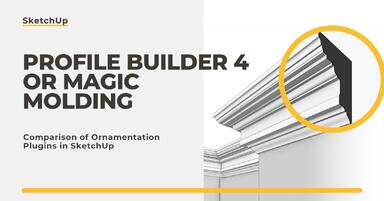
![Profile Builder 4 or Magic Molding? Comparison of Ornamentation Plugins in SketchUp]()
Profile Builder 4 or Magic Molding? Comparison of Ornamentation Plugins in SketchUp
How does Profile Builder 4 differ from Magic Molding? Scope, pricing, profile libraries, and learning curve. Find out which plugin fits your projects. -
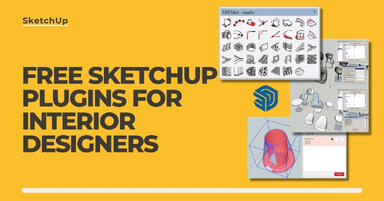
![The Best Free SketchUp Plugins for Interior Designers in 2026!]()
The Best Free SketchUp Plugins for Interior Designers in 2026!
Which SketchUp plugins are really worth having? Discover 7 free extensions for interior designers and find out which ones have just stopped being free! -
![English wainscoting in SketchUp - how to design wall panels step by step]()
English wainscoting in SketchUp - how to design wall panels step by step
How to design English wainscoting in SketchUp? Learn the rules for panel division, wainscot proportions, and speed up your work with the Magic Molding plugin. -
![Reversed Faces in SketchUp – why are blue faces showing and how to fix them?]()
Reversed Faces in SketchUp – why are blue faces showing and how to fix them?
Blue faces in SketchUp are flipped faces. Learn where they come from, how to quickly locate and fix them before they mess up your render or model export.