EN
EN PL
PL ES
ES


Publication date: | Update date: 24-05-2024 | Author: Mateusz Ciećwierz

-
Online courses
- All
 3ds Max
 AI - Artificial Intelligence
 Blender
 Corona renderer
 GstarCAD
 LayOut
 Photoshop
 Interior Design
 Revit
Revit Sketchup
 Stable Diffusion
 V-ray
V-ray
"Online courses" are comprehensive online training programs that will help you quickly master the software you are interested in.
- Plugins
- 3D Models
- Help
- Articles
Ergonomics in Interior Design – How Technology Helps Create Comfortable Spaces
The principles of ergonomics are important not only in the workplace. It is also worthwhile to follow them at home to make staying and performing all activities simple and intuitive. Read the article and learn our tips on how to design ergonomic interiors.
Index
What is modern interior design? Check out our article on the 7 most important interior design trends in 2024. You will find out that the modern interior design trends have a common denominator: the interior must be comfortable. Interior design is definitely more than just choosing furniture and wall colors. It is a multi-aspect process that requires consideration of factors such as ergonomics, style, ecology, and modern technology.
Modern interior design focuses not only on the appearance of furniture or wall colors in the apartment. Equally important is the adaptation of the designed space to the individual's needs. In this process, it is worth supporting technology and science. Ergonomics, the science of optimizing the human environment to his needs, supports the creation of spaces that are both functional and comfortable.
Although the concept of ergonomics may be associated with the workplace and OSH regulations, it is also important in everyday life. In this article, you will learn how to use ergonomic principles to create comfortable interiors.
Learn to design interiors in our courses
The concept of ergonomics and its role in everyday life
In today's times, when we know so much about humans and their physiology, interior design is closely related to ergonomics. Ergonomics is the science of adapting space to the capabilities and limitations of the human body. It is used not only in the design of office spaces and workplaces. Ergonomics also plays a huge role in creating equipment used at home. Adhering to ergonomic principles is also essential in arranging a home or apartment, provided of course that you care about the functionality of the interior.
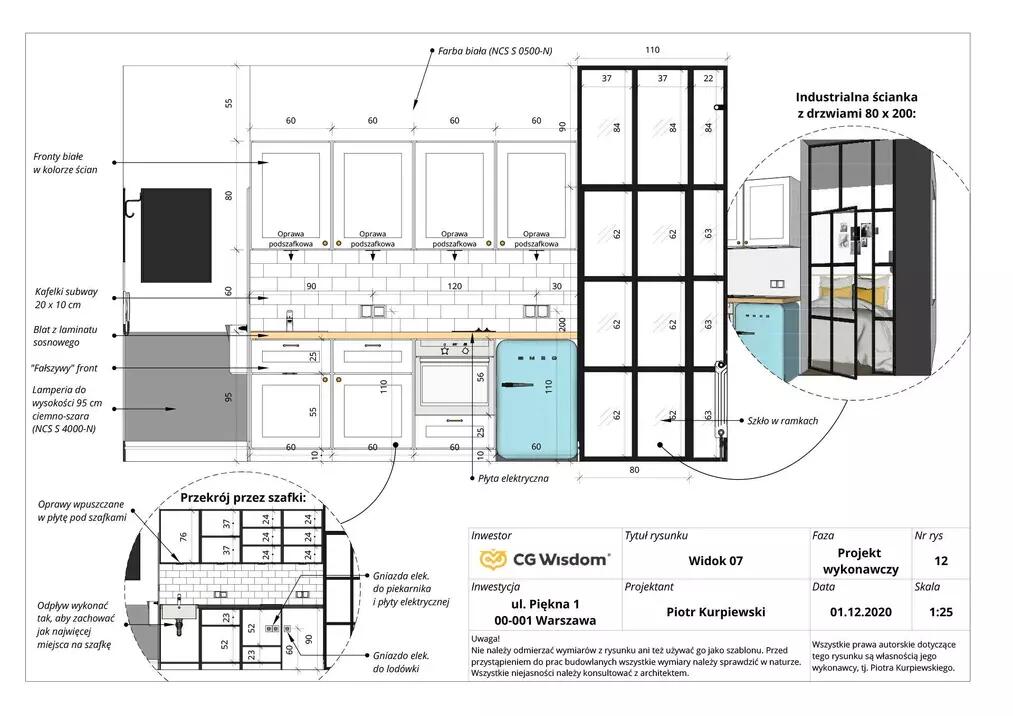
Ergonomics at home
By paying attention to our comfort, ergonomics in the apartment becomes a hallmark of modern life. The way we arrange our homes reflects our need for harmony and functionality. Thanks to advances in interior design technology, it is possible to create spaces that not only please the eye but are also exceptionally comfortable and energy-efficient.
Expert's opinionPiotr KurpiewskiArchitekt, Grafik, Wykładowca PJATK w Warszawie
Ergonomics in interior design is the key to creating spaces that not only look beautiful but are also comfortable and functional for users. Thanks to technological progress, we can now analyze and simulate living spaces more accurately to better adapt them to the individual needs of users. Modern software allows for thoughtful placement of elements to minimize physical effort and maximize efficiency of use. This is particularly important in intensively used areas such as kitchens or offices, where proper arrangement of tools and furniture can significantly affect the well-being and health of users.
Why is it worth implementing ergonomic solutions at home?
Implementing ergonomic solutions in interior design directly impacts the comfort of using the space. Properly designed interior facilitates movement, provides easy access to necessary items, and allows efficient use of available space. Ergonomics in interior design contributes to:
- Increased comfort and functionality of the space
- Reduced fatigue and improved well-being of users
- Optimization of processes and activities carried out in a given room
- Adaptation of the interior to the individual needs and preferences of the residents
- Personalization of the interior
Ergonomics in interior design is not only about comfort, but also about the health and safety of users. A properly designed space minimizes the risk of injuries, strains, and other health problems associated with incorrect posture or excessive effort.
How to ensure functionality and comfort in the designed interiors?
Ergonomic principles will help you increase the functionality of every room. This is particularly important in the case of the kitchen, but remember that it is worth using our guidelines not only there. In fact, the layout of every interior can be improved when we learn about ergonomics guidelines. Combining ergonomic principles with good taste and a sense of aesthetics is a recipe for stylish, functional interiors.
Learn to design interiors in our courses
Implementing ergonomic principles in design to ensure the functionality of interiors includes, among other things:
- Optimal arrangement of furniture and equipment — The design of the space should take into account natural movements of users, thus minimizing unnecessary effort.
- Determining the appropriate height of furniture, e.g., so that the edge of the bed is at knee height
- Adapting the height of countertops and cabinets to the height of users — Kitchen countertops are usually installed at a height of 85-90 cm from the floor. Taller individuals may opt for slightly higher countertops. However, for shorter individuals or wheelchair users, lower work surfaces will be a better solution. When designing a kitchen, pay attention to such issues for much more comfortable use of it.
- Principle of the work triangle — The work triangle is the golden rule of kitchen design. It is a design concept that optimizes the functionality of the kitchen by properly positioning the three main work zones: refrigerator, sink, and stove. Read more about the most important principles in kitchen design.
- Providing appropriate lighting — In addition to the central light source, also provide additional lighting in specific areas of the room. Not only will this create a cozy interior, but it will also take care of the health and ergonomics. Remember the importance of natural light and if possible, make use of it. Check what to consider when designing interior lighting.
- Selection of interior materials and colors — You surely know that colors in the interior have a huge impact on its character. But do you understand how this color scheme translates into the well-being of the people in it? Learn more about designing interiors to support well-being.
- Using smart home and apartment control systems. Controlling air conditioning, lighting color and intensity, and even household appliances through remote applications not only increases convenience but also saves time and energy.
As you can see, ergonomics affects every aspect of equipment choice. From suitable furniture, through its arrangement, to intelligent control. Well-designed interior not only pleases the eye but above all facilitates daily functioning.
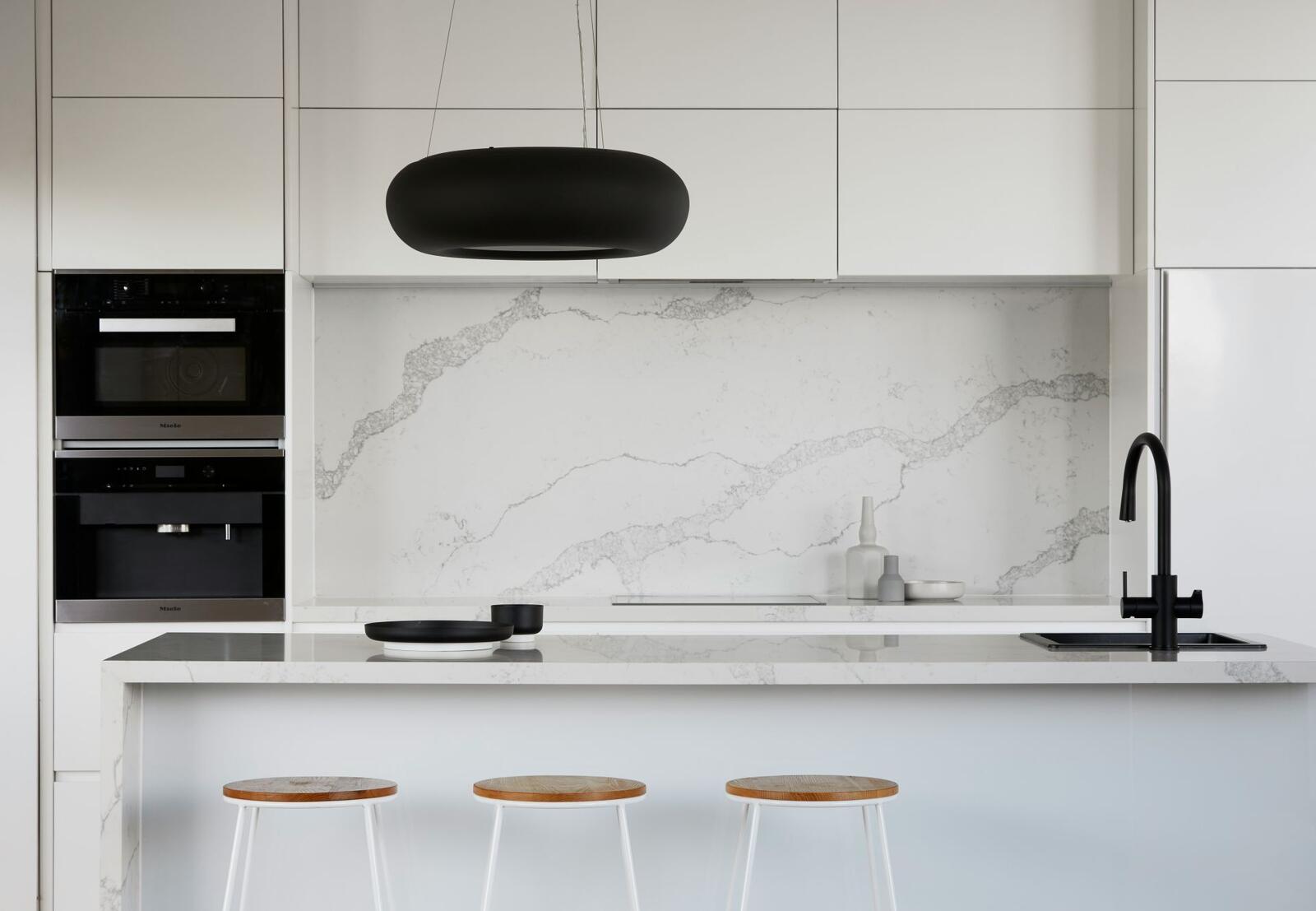
On the CG Wisdom platform, you will find an extensive course on designing ergonomic and functional interiors. The knowledge and inspiration contained in the course will help you in arranging your apartment. Thanks to this, the rooms will not only be stylish but also fully adapted to the needs of you and your family.
Organization of a home office
Designing a home office according to ergonomic principles is not an easy task. Get to know a few tips that will help you create a functional and ergonomic home office. Appropriate conditions during remote work will translate not only into your higher efficiency. They will also make your daily work more enjoyable and less burdensome.
How to prepare an employee's workstation for home office?
- Choose a quiet place where you can separate yourself from the rest of the family
- Place the desk to make use of natural light
- Ensure that the desk and chair are tailored to your height — you will avoid pain and spinal issues. Consider standing desks and avoid corner desks that require constant body rotation. Buy a footrest if your feet do not touch the floor.
- Place the keyboard and mouse in the same plane as your forearms to minimize wrist strain.
- Set the monitor at eye level, 50-70 cm from the face.
- Try to keep it organized, create space for storing documents and other office supplies.
Check different solutions and choose the ones that best suit your needs. Pay attention to the conditions in which you work well. And remember: even the most ergonomic desk and chair will not replace regular breaks in work and a dose of movement. Take care that work in non-ergonomic conditions at home office does not end with serious health problems.
Author

Read on our blog
-
![Profile Builder 4 or Magic Molding? Comparison of Ornamentation Plugins in SketchUp]()
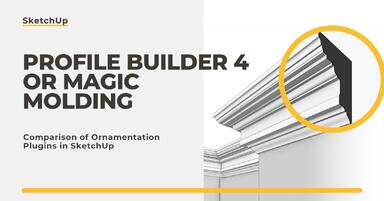
Profile Builder 4 or Magic Molding? Comparison of Ornamentation Plugins in SketchUp
How does Profile Builder 4 differ from Magic Molding? Scope, pricing, profile libraries, and learning curve. Find out which plugin fits your projects. -
![The Best Free SketchUp Plugins for Interior Designers in 2026!]()
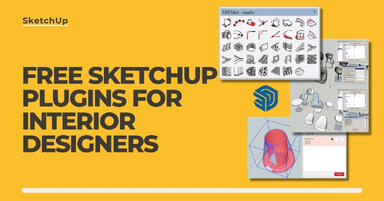
The Best Free SketchUp Plugins for Interior Designers in 2026!
Which SketchUp plugins are really worth having? Discover 7 free extensions for interior designers and find out which ones have just stopped being free! -
![English wainscoting in SketchUp - how to design wall panels step by step]()
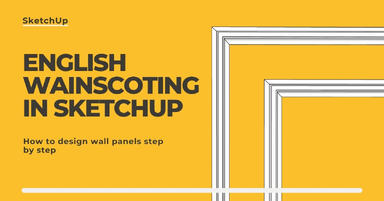
English wainscoting in SketchUp - how to design wall panels step by step
How to design English wainscoting in SketchUp? Learn the rules for panel division, wainscot proportions, and speed up your work with the Magic Molding plugin. -
![Reversed Faces in SketchUp – why are blue faces showing and how to fix them?]()
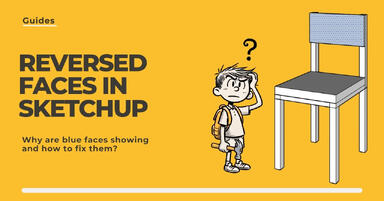
Reversed Faces in SketchUp – why are blue faces showing and how to fix them?
Blue faces in SketchUp are flipped faces. Learn where they come from, how to quickly locate and fix them before they mess up your render or model export.