EN
EN PL
PL ES
ES


Publication date: 18-07-2025 | Update date: 18-07-2025 | Author: Mateusz Ciećwierz

-
Online courses
- All
 3ds Max
 AI - Artificial Intelligence
 Blender
 Corona renderer
 GstarCAD
 LayOut
 Photoshop
 Interior Design
 Revit
Revit Sketchup
 Stable Diffusion
 V-ray
V-ray
"Online courses" are comprehensive online training programs that will help you quickly master the software you are interested in.
- Plugins
- 3D Models
- Help
- Articles
BIM – What is it and why is it revolutionizing the construction industry?
Building Information Modeling (BIM) is a modern method of managing building information at every stage of its lifecycle - from conception to operation. This technology is revolutionizing the architectural, engineering, and construction (AEC) industries by introducing efficiency, accuracy, and better collaboration among all project stakeholders.
Index
Key takeaways
- BIM is more than a 3D model – it’s an intelligent database integrating information about the entire building lifecycle.
- Improves collaboration – enables architects, engineers and contractors to work together on a single, unified platform.
- Reduces risk of errors and clashes – detects design conflicts before construction starts, reducing costs and delays.
- Facilitates facility management – allows monitoring of energy consumption, maintenance management, and optimization of operating costs.
- It is a standard in many countries – increasingly required in public tenders, making it a key tool in modern construction.
What is BIM?
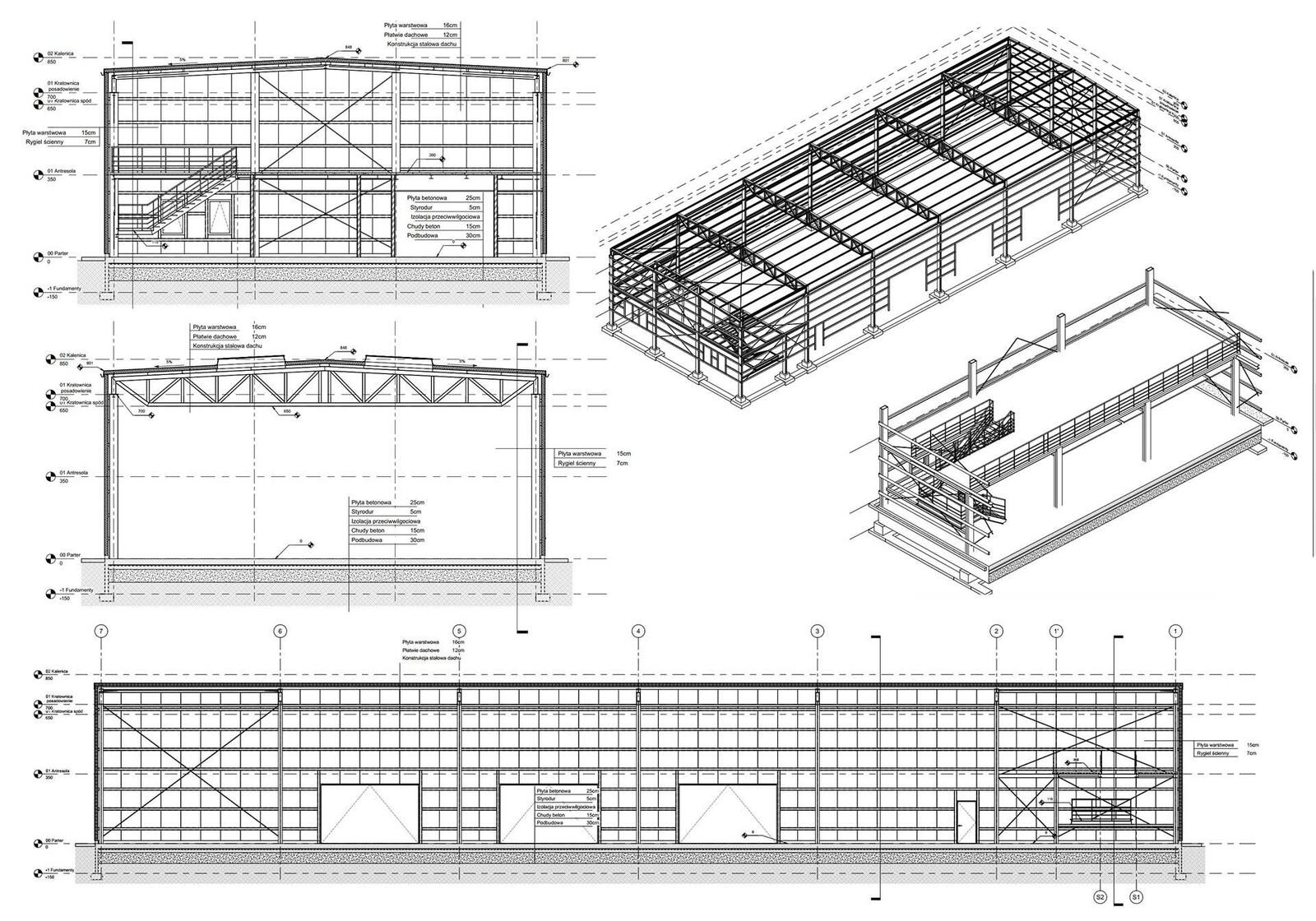
BIM is a digital representation of a building or infrastructure that contains detailed information about its geometry, materials, systems, and functions. Unlike traditional 2D design methods, BIM enables working in a 3D environment with full access to the technical parameters of every building element. This allows designers to better analyze space, identify potential issues, and test various construction scenarios before starting the project.
With BIM, every change made in the design is automatically updated across all related drawings, documentation, and models, helping to avoid errors and inconsistencies. Interdisciplinary collaboration is more efficient because all project participants work on one consistent model, which eliminates the need for multiple data entries and reduces the risk of costly mistakes. In practice, this means greater precision in project execution, better resource management, and more accurate cost and schedule forecasting.
BIM - What does the acronym stand for?
BIM is an acronym for Building Information Modeling. It is an approach that integrates the design, construction, and management processes of built assets into a single, consistent digital model. BIM not only involves modeling the building's geometry but also collecting and processing all relevant technical, operational, and maintenance data. This enables project participants to make more informed decisions and optimize every stage of the project lifecycle.
What are the BIM levels?
BIM is not a single technology but rather develops across different maturity levels that define the degree of data integration and exchange among project participants. Each level features a specific scope of capabilities and impacts the efficiency of the design and construction process.
- BIM 0 – The most basic level, based on traditional 2D drawings created in CAD programs. There is no data integration, and project documentation is produced separately for each discipline, leading to a risk of inconsistencies and multiple revisions.
- BIM 1 – Introduction of 3D modeling, but without full collaboration among project participants. Each discipline can create its own models, but there is no single database, which means limited ability to synchronize information and detect clashes.
- BIM 2 – Full integration and interdisciplinary collaboration within a single data environment (CDE – Common Data Environment). At this level, project teams use one 3D model, enabling real-time information exchange, better coordination, and reduction of design errors.
- BIM 3 – The highest level of BIM maturity, where building information modeling is tightly integrated with modern technologies such as the Internet of Things (IoT), artificial intelligence (AI), and building lifecycle management (BIM 7D). This allows real-time monitoring of building conditions, energy optimization, and maintenance planning using analytic data.
Implementing higher BIM levels significantly improves the efficiency of construction projects, eliminates errors, and saves time and costs. As BIM technology advances, it is becoming a standard in the construction industry, paving the way for smarter and more sustainable investments.
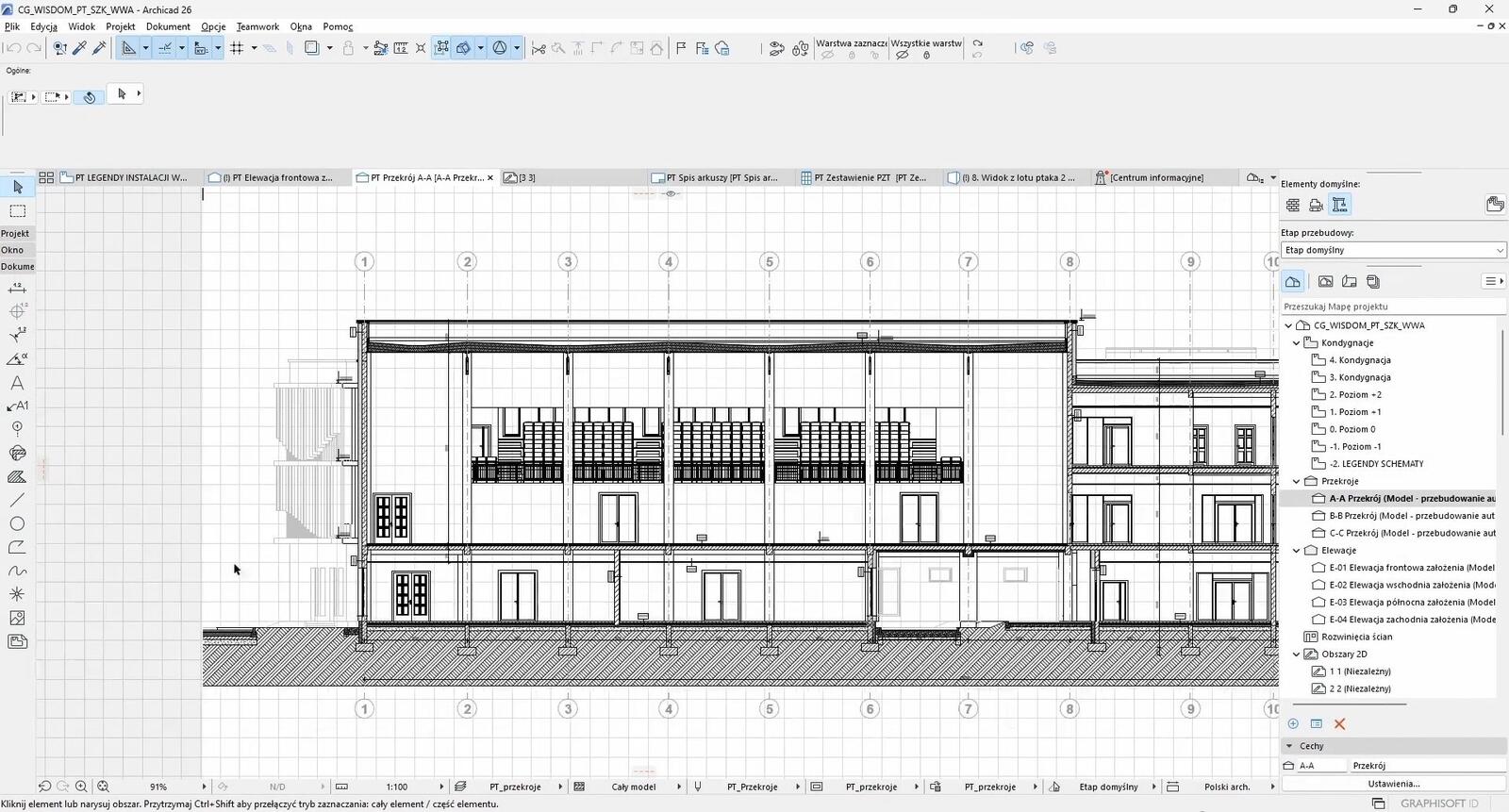
Benefits of BIM
BIM brings numerous benefits to all parties involved in the investment process. By using this technology, it is possible to significantly streamline every stage of a construction project, from initial concept to building operation. BIM not only optimizes design and construction but also substantially reduces costs and increases building management efficiency. Below we present detailed benefits that come from implementing this technology. BIM brings many advantages to all participants in the investment process:
For Architects and Designers
- Accurate project visualization – BIM allows creating advanced 3D models to present the project realistically before implementation. This enables better refinement of details and helps convince clients of the chosen solutions.
- Automatic clash detection between disciplines – By working in one consistent model, it is possible to detect clashes between systems, structure, or finishes in advance, eliminating errors and saving time and construction costs.
- Faster design concept analysis – Building information modeling allows for quick comparison of different design variants and optimization of the project in terms of cost, materials, and energy efficiency.
For Investors and Developers
- Better cost control – BIM enables accurate material quantity calculations, allowing for precise budgeting and avoiding unforeseen costs during project execution.
- Ability to better plan and anticipate issues – Through simulations and analyses, potential problems can be anticipated during the design phase, significantly reducing the risk of delays and additional costs.
For Contractors
- More accurate cost estimates and construction schedules – BIM enables better management of the construction process through more precise cost estimation and creation of realistic work schedules.
- Waste reduction and material usage optimization – Precise planning allows for minimizing material waste, which has not only economic but also environmental benefits.
For Building Managers
- Easier facility management – Digital BIM documentation provides quick access to the complete asset history, which simplifies operation, maintenance, and any renovations.
- Monitoring the building's technical condition – With BIM technology, building management systems (BMS) can be implemented to analyze energy consumption, control HVAC systems, and plan necessary repairs or maintenance.
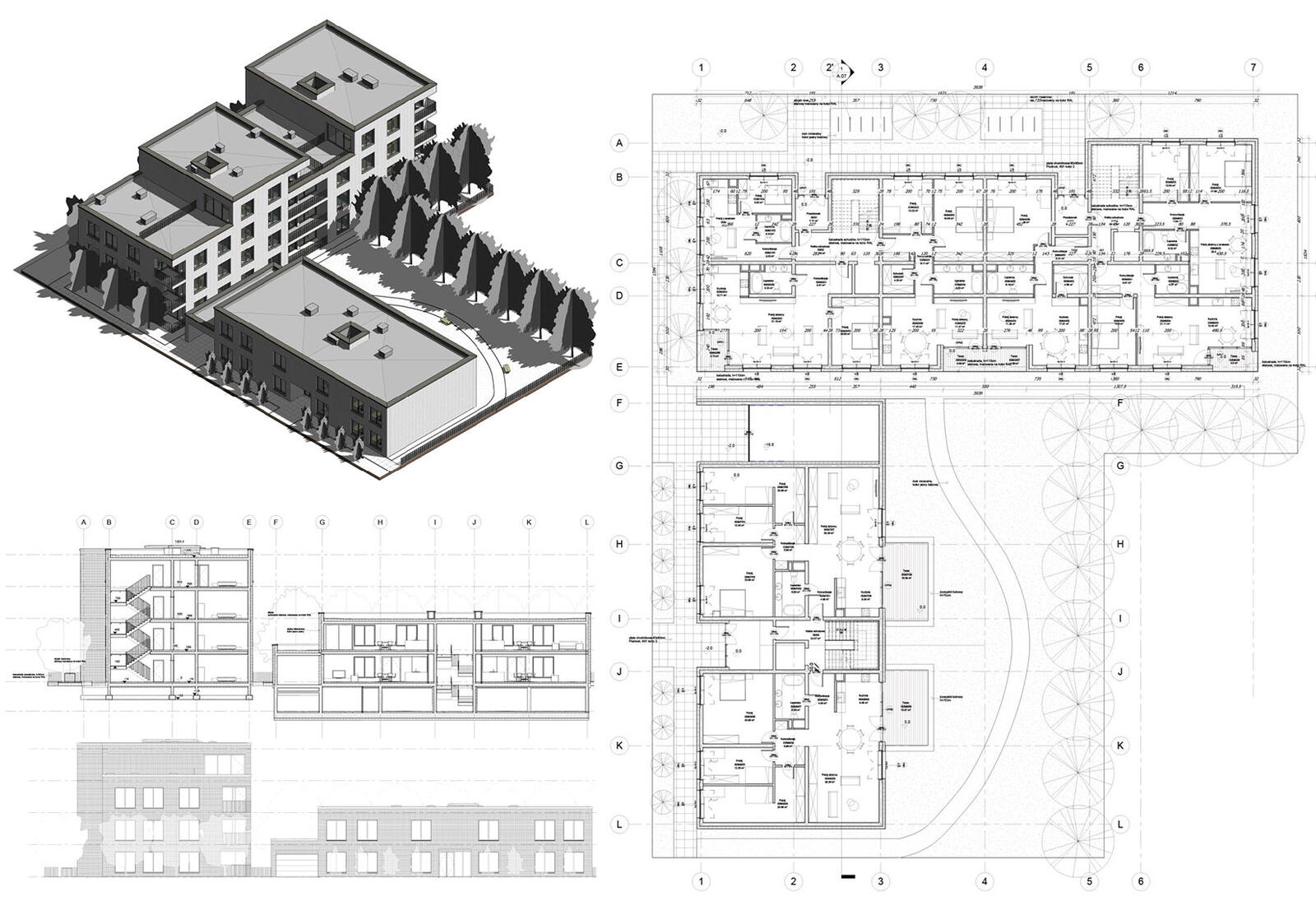
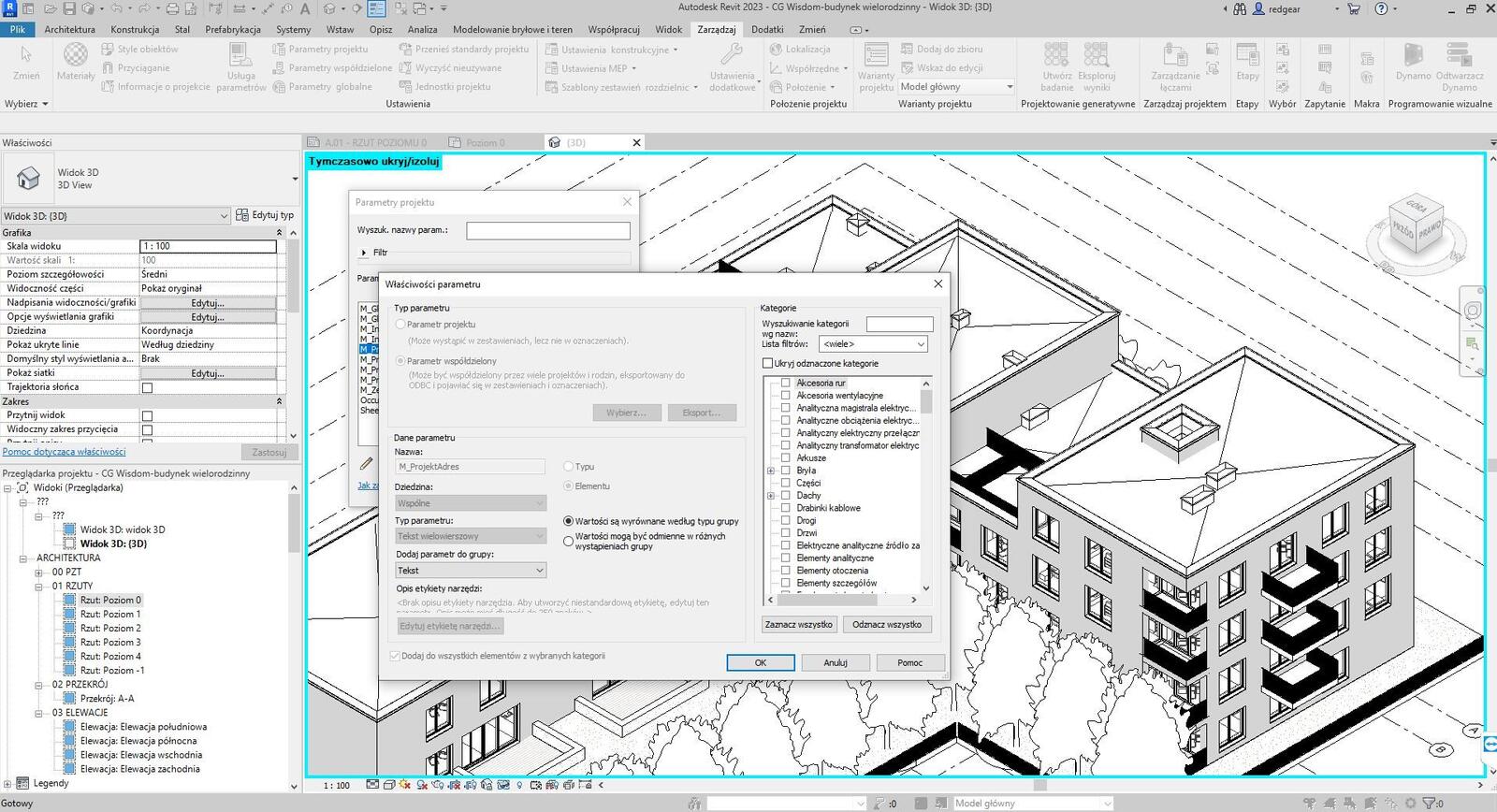
BIM Tools
There are many tools on the market that support BIM workflows. Choosing the right software depends on the user's needs, project specifics, and the level of interdisciplinary collaboration. Below, we present the most popular tools used in various aspects of building information modeling:
For Architects and Designers
- Autodesk Revit – One of the most widely used BIM tools. It allows comprehensive 3D modeling, project documentation, and building energy analysis. It integrates with other Autodesk tools, making it an extremely versatile solution.
- Graphisoft Archicad – Intuitive software mainly targeted at architects. It enables quick modeling and generation of project documentation. It has extensive visualization tools and real-time collaboration capabilities.
- Vectorworks Architect – A solution for designers who value flexibility and ease of use. It offers BIM modeling features as well as robust rendering and project presentation capabilities.
For Structural and Civil Engineers
- Tekla Structures – A program designed for steel and concrete structure design. It enables precise modeling of structural elements and collaboration with other BIM platforms.
- Autodesk Civil 3D – A tool for civil engineering. It allows modeling of road, rail, and water infrastructure.
- Bentley AECOsim – Software supporting modeling and analysis of multidisciplinary construction projects. It performs exceptionally well in large infrastructure projects.
Author

Read on our blog
-
![Reversed Faces in SketchUp – why are blue faces showing and how to fix them?]()
Reversed Faces in SketchUp – why are blue faces showing and how to fix them?
Blue faces in SketchUp are flipped faces. Learn where they come from, how to quickly locate and fix them before they mess up your render or model export. -
![Follow Me in SketchUp - Complete Guide and 7 Mistakes That Ruin Geometry]()
Follow Me in SketchUp - Complete Guide and 7 Mistakes That Ruin Geometry
Master the Follow Me tool in SketchUp! Check out the complete guide and discover 7 mistakes that ruin 3D model geometry. -
![How to make baseboards and ceiling cornices in SketchUp? Three methods!]()
How to make baseboards and ceiling cornices in SketchUp? Three methods!
Modeling moldings in SketchUp? Discover 3 proven methods for baseboards and cornices. Check Follow Me drawbacks, ready models, and time-saving plugins! -
![English wainscoting in SketchUp - how to design wall panels step by step]()
English wainscoting in SketchUp - how to design wall panels step by step
How to design English wainscoting in SketchUp? Learn the rules for panel division, wainscot proportions, and speed up your work with the Magic Molding plugin.