EN
EN PL
PL ES
ES


Publication date: 18-07-2025 | Update date: 18-07-2025 | Author: Mateusz Ciećwierz

-
Online courses
- All
 3ds Max
 AI - Artificial Intelligence
 Blender
 Corona renderer
 GstarCAD
 LayOut
 Photoshop
 Interior Design
 Revit
Revit Sketchup
 Stable Diffusion
 V-ray
V-ray
"Online courses" are comprehensive online training programs that will help you quickly master the software you are interested in.
- Plugins
- 3D Models
- Help
- Articles
Is Revit BIM? Explaining the differences and relationships between Revit and BIM technology
In the world of architecture, engineering, and construction, we increasingly hear about BIM technology. However, many people still confuse the terms “Revit” and “BIM,” using them interchangeably. Is that justified? In this article, we will dispel all doubts — we will explain what Revit is, what BIM is, and how these two concepts connect with each other.
You will also learn why it’s important to know the difference and in which situations one tool cannot replace the other.
Index
What is BIM?
Let's start with the basics. BIM (Building Information Modeling) is a method for designing, executing, and managing a building based on a 3D digital model that includes not only geometry but also data about material properties, technical parameters, and the object's lifecycle.
It's not software but a process and design approach that enables collaboration between architects, engineers, and contractors in a single data environment. If you want to learn more about this topic, check out our article - BIM – What it is and why it is revolutionizing the construction industry?
What is Revit?
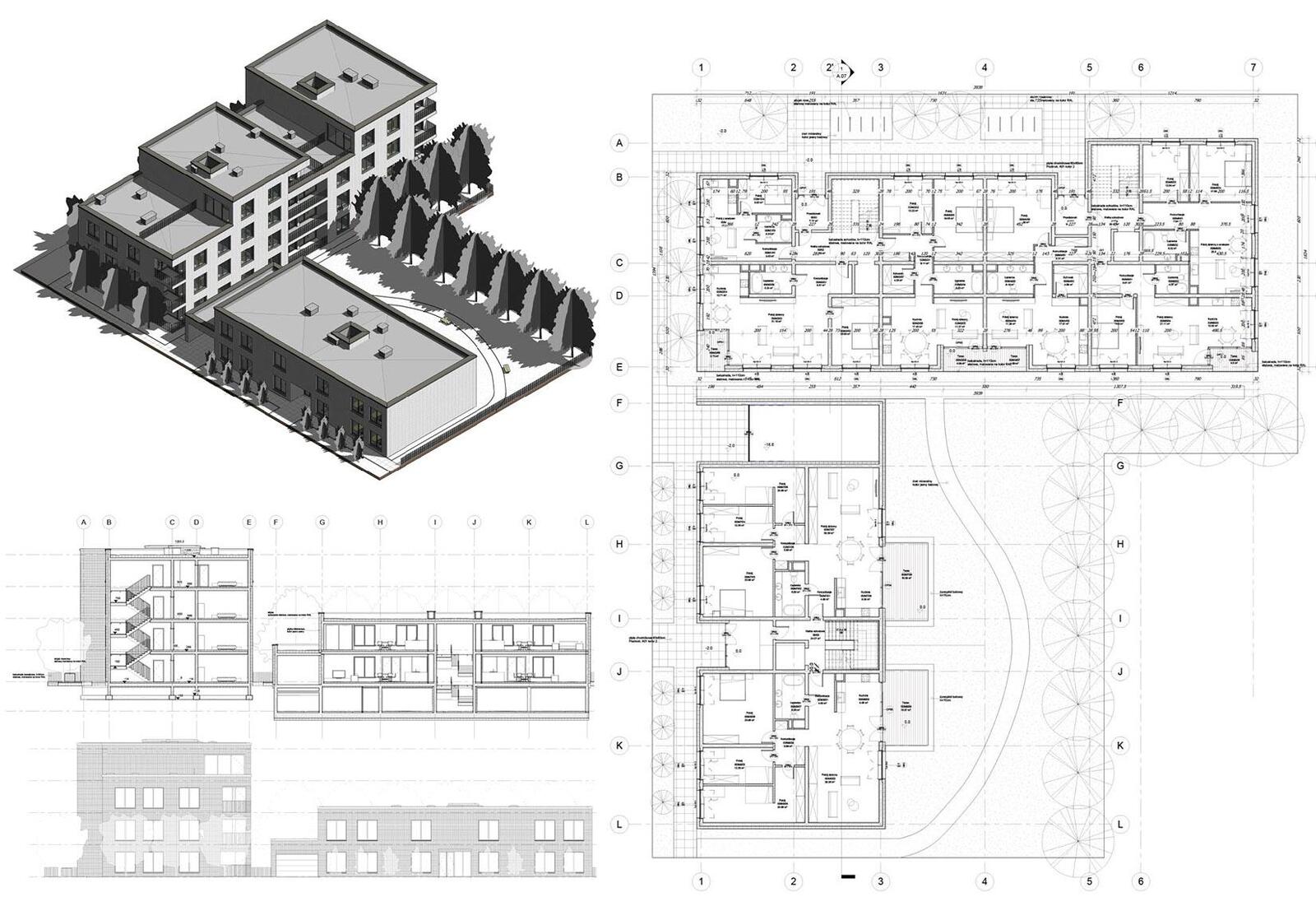
Revit is Autodesk's software that allows creating architectural and engineering designs following the BIM methodology. Users can design buildings in 3D, assign parameters to objects, and generate project documentation – all in one file.
In other words – Revit is a tool that supports and enables BIM work, but it is not BIM itself.
Revit vs BIM – what is the difference?
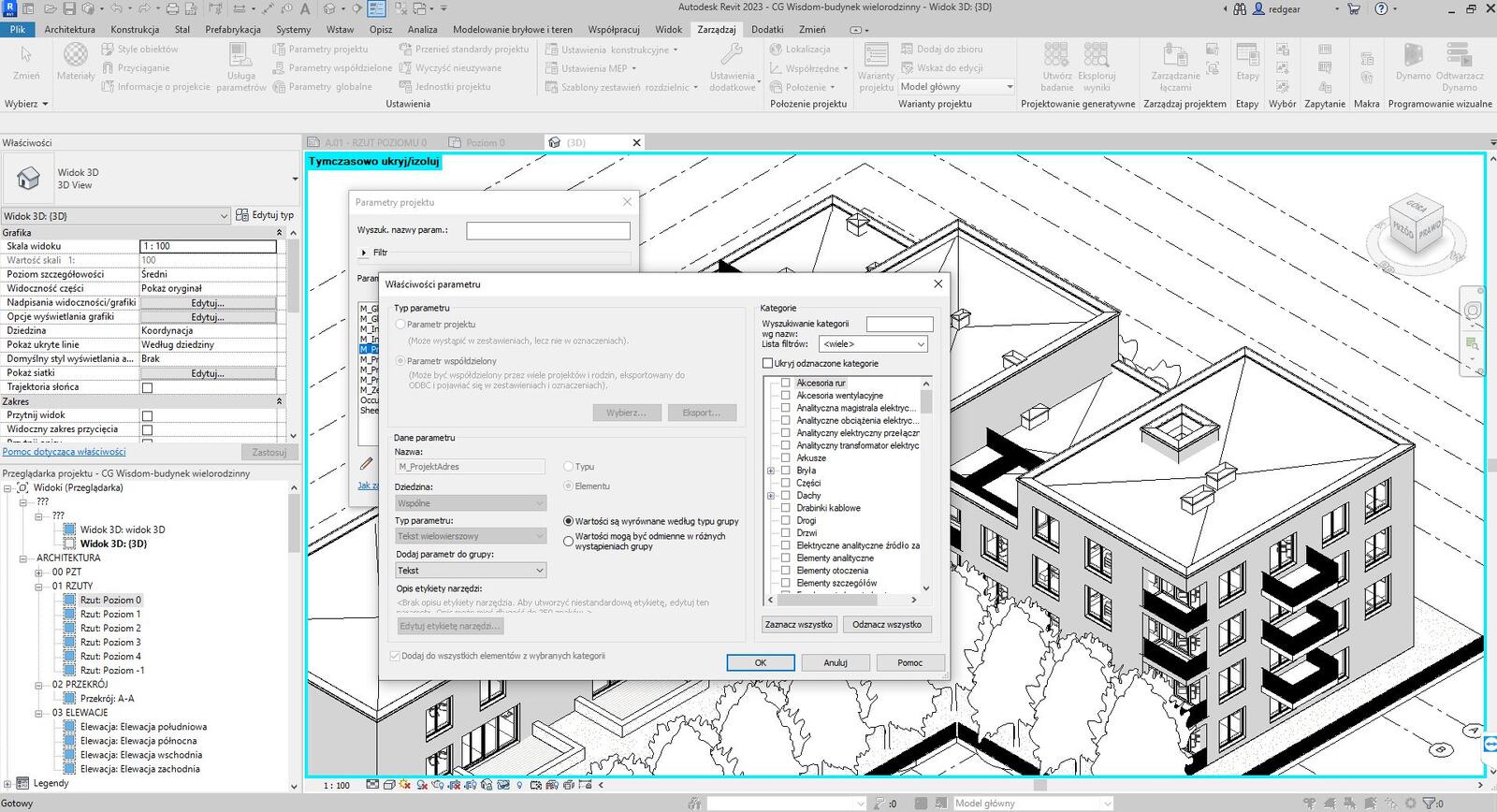
While many people use the names Revit and BIM interchangeably, they actually refer to two different things. Revit is a specific software tool – an application for designing buildings in 3D technology, developed by Autodesk. It enables the creation of parametric architectural, structural, and MEP models. Thanks to integration with a database, every project element contains detailed technical and material information.
On the other hand, BIM (Building Information Modeling) is not a program but a methodology and process covering the entire building lifecycle – from concept, through design and construction, to facility management. BIM is based on the collaboration of various disciplines (architectural, structural, MEP) using a single coherent digital model that contains all the necessary information about the object.
You can compare it to a situation where Revit is the tool, and BIM is the work philosophy. Using Revit, we can carry out a project according to BIM principles, but the program itself does not guarantee that we are actually working in this technology. The key is the approach to modeling, data sharing, standardization, and communication among project participants.
Therefore, it is crucial not to reduce BIM to “pure work in Revit”. True BIM work also involves:
- Data sharing in a CDE (Common Data Environment),
- Applying appropriate standards and Levels of Development (LOD),
- Following procedures for inter-branch information exchange (e.g., IFC, BCF),
- Involvement of a BIM coordinator and BIM manager in the project.
In summary – Revit can be part of BIM, but it is not BIM itself. It's like saying that knowing Word makes us a writer – the tool is necessary, but the rules for using it are key.
CHECK THE COURSE – REVIT TRAINING FOR BEGINNERS FROM THE BASICS
Is Revit necessary for working in BIM?
This is one of the most frequently asked questions by people starting their adventure with building information modeling. The answer is: no, Revit is not the only nor mandatory tool for working in BIM. Although it is one of the most popular solutions on the market, there are many other programs that also support the BIM methodology and are successfully used by architects, engineers, and designers around the world.
Alternative solutions include, among others:
- Archicad – often chosen by architects thanks to its intuitive interface and extensive modeling features,
- Tekla Structures – specializing in modeling steel and reinforced concrete structures,
- Vectorworks Architect – valued for its flexibility and integration with various design stages,
- Allplan – frequently used in civil engineering and by infrastructure design offices,
- BricsCAD BIM – a cost-competitive program enabling object modeling in compliance with the IFC format.
It is also worth mentioning tools supporting BIM in the area of model coordination and analysis, such as:
- Navisworks – for clash detection and schedule planning,
- Solibri – for checking BIM model correctness and quality,
- BIMcollab and BIM Track – supporting communication within project teams.
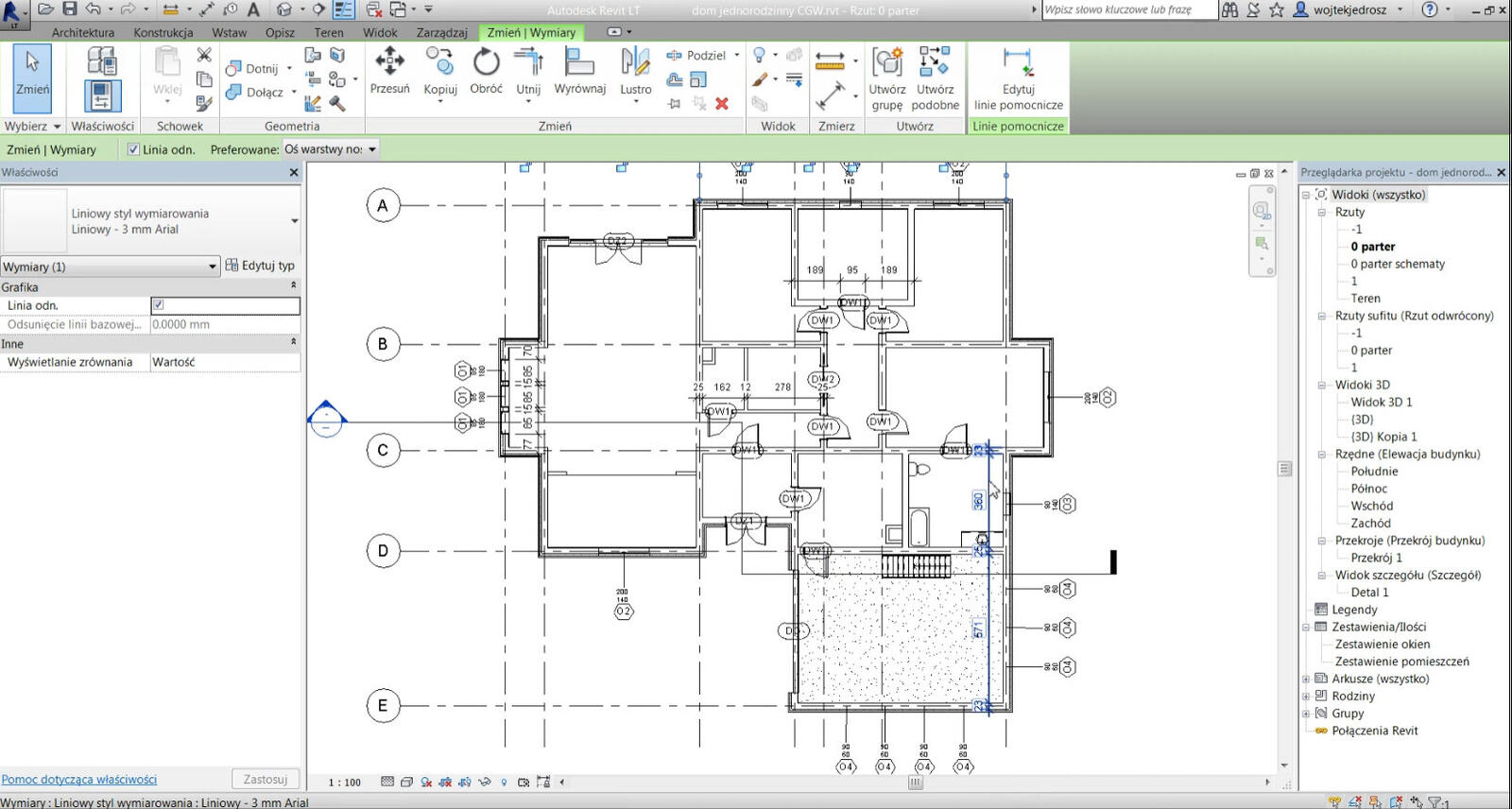
The key to working in BIM is not a specific program but adhering to information exchange standards and protocols, such as the IFC format, Levels of Development (LOD), or a CDE (Common Data Environment). If a given program allows you to create information models, export to open formats, and collaborate across disciplines, you can successfully carry out BIM projects in it.
In summary: Revit is a very powerful tool, but not the only one. The choice of software should depend on the project's specifics, the team's competencies, and the investor's requirements. More important than the tool itself is understanding the ideas and structure of BIM-compliant work.
Conclusion – Revit is not BIM, but... it is one of the best tools for working in BIM
Revit is not synonymous with BIM, but it enables its effective implementation. It is an advanced design tool that, with the right approach, becomes the foundation of work in BIM technology.
If you want to develop your career as an architect, interior designer, or structural engineer – it is worth learning Revit, but not forgetting the principles behind the Building Information Modeling concept.
Author

Read on our blog
-
![Magic Molding - stucco, moldings, and cornices in SketchUp in seconds]()
Magic Molding - stucco, moldings, and cornices in SketchUp in seconds
Does modeling baseboards, cornices, and stucco take you precious hours? Give up traditional methods and try the Magic Molding plugin, which will generate them for you. -
![AutoCAD or SketchUp - choose a course to start in architecture]()
AutoCAD or SketchUp - choose a course to start in architecture
Wondering which to choose: AutoCAD or SketchUp? Discover the differences, choose the right course, and start designing architecture and interiors -
![AutoCAD or Revit - when does switching programs make sense and when is it a waste of time?]()
AutoCAD or Revit - when does switching programs make sense and when is it a waste of time?
Stick with AutoCAD or choose Revit? Find out when investing in BIM truly pays off, and for which projects 2D documentation is sufficient. -
![Is GstarCAD as good as AutoCAD? Check out the comparison!]()
Is GstarCAD as good as AutoCAD? Check out the comparison!
Is GstarCAD a good alternative to AutoCAD? We compare the costs, interface, and features of both programs. See the comparison of perpetual licenses vs. subscriptions.